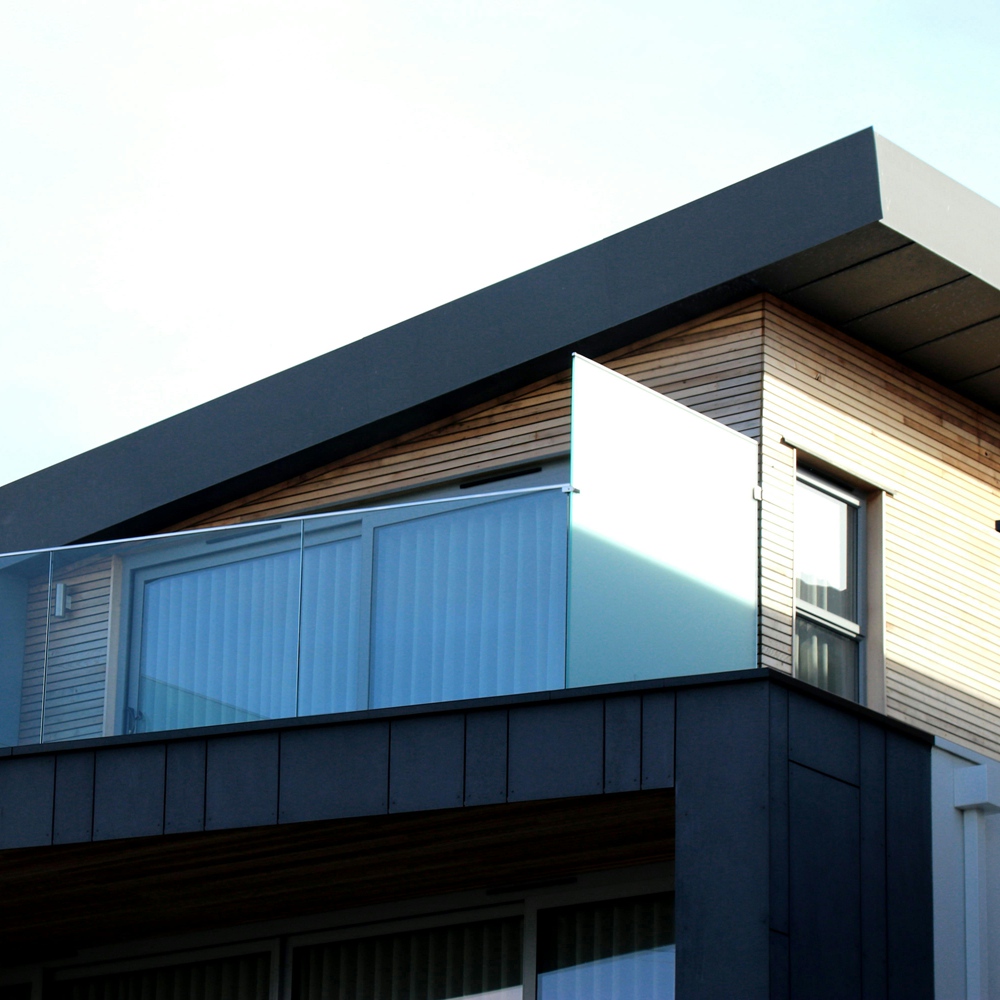
Specifying building materials goes far beyond aesthetic appeal today. Modern building codes demand highly engineered safety solutions. Liability concerns drive strict material selection processes. Extreme weather events also require robust physical barriers.
This is where specific glazing choices become critical. Laminated Glass delivers a highly specialized core value. It reliably maintains structural integrity post-breakage. When shattered, the panel remains safely inside its framing system. It does not rain dangerous shards onto occupants below.
Selecting the right specification requires extreme precision. You must align your specific application with precise interlayer technologies. You also need to match framing constraints perfectly. Finally, you must partner with a certified fabrication facility. This guarantees the final assembly will perform under pressure.
Key Takeaways
Laminated glass is non-negotiable for overhead, structural, and high-security architectural glass applications due to its post-glass-breakage retention capabilities.
The choice between PVB, EVA, and SGP interlayers directly dictates the structural capacity, edge stability, and acoustic performance of the final installation.
Procurement success depends on evaluating a glass manufacturer's compliance with ASTM/ISO standards and their ability to mitigate delamination risks during fabrication.
Factoring in the increased weight and sealant compatibility early in the design phase prevents costly on-site framing adaptations.
Framing the Requirement: When Standard Glazing Fails
Architects and engineers face immense pressure to specify safe materials. Standard monolithic glass often falls short in demanding environments. You must understand exactly when and why safety glazing becomes mandatory.
Compliance & Liability
International building codes strictly mandate safety glazing in high-traffic zones. The International Building Code (IBC) defines specific hazardous locations. These include doorways, sidelights, and overhead spaces. Standard glass presents extreme liability in these areas. If regular glass breaks, it creates large, jagged shards. These shards cause severe blunt force trauma and deep lacerations. Code compliance requires materials designed to prevent such catastrophic injuries. You mitigate immense legal liability by specifying compliant safety assemblies.
The Post-Breakage Mandate
You must differentiate between tempered and laminated panels. Tempered glass serves as a basic safety product. It undergoes thermal treatment to induce surface compression. When broken, tempered glass shatters into small, relatively safe pebbles. However, it entirely vacates the frame. This leaves the building envelope completely open.
Laminated assemblies behave very differently. They consist of two or more glass plies bonded around a polymeric interlayer. When shattered, the broken glass pieces adhere firmly to this interlayer. The glass envelope remains entirely intact. This prevents dangerous falls from high-rise balconies. It also blocks sudden weather ingress during intense storms.
Evaluating Baseline Needs
Upgrading to laminated assemblies usually stems from specific performance demands. You should evaluate three primary drivers:
Forced Entry Security: Delaying physical intrusion tactics using heavy tools or weapons.
Acoustic Dampening: Blocking severe external noise pollution from traffic or aviation.
Extreme Wind-Load/Impact: Surviving hurricane-force winds and airborne debris impacts.
Core Applications of Architectural Glass in Commercial Builds
Commercial construction demands versatile material performance. Architectural Glass serves both functional and aesthetic roles across diverse zones. We can divide these applications into three primary structural categories.
Structural and Overhead Glazing
Overhead applications present the highest risk profile in building design. Gravity constantly pulls on the glass panels. If a panel breaks, gravity immediately turns the shards into lethal projectiles.
Use Cases: Typical installations include large exterior canopies, indoor skylights, glass floors, and frameless balcony balustrades.
Success Criteria: The primary requirement is supporting live loads post-breakage. If a heavy object strikes a glass floor, both glass plies might shatter. The structural interlayer must still support human weight. It must prevent occupants from falling through the broken floor. Standard interlayers cannot achieve this. You must specify stiff structural ionomers for these environments.
High-Security and Safety Installations
Security glazing protects critical infrastructure and valuable assets. These environments face active, malicious threats rather than just environmental stress.
Use Cases: Primary locations include high-end retail storefronts, retail banks, critical data centers, and blast-resistant government facilities.
Success Criteria: Performance is measured by resistance metrics. Security panels must pass specific test standards.
Delayed Forced Entry: The assembly must withstand repeated sledgehammer or axe strikes for a specified duration.
Bullet Resistance: Specialized multi-ply layups must catch and stop ballistic projectiles. They prevent penetration entirely.
Blast Mitigation: The glass must absorb explosive shockwaves. It must flex without releasing hazardous internal spall toward occupants.
Acoustic and Environmental Control
Modern urban environments generate immense noise pollution. Interior comfort relies heavily on the building envelope's acoustic isolation properties.
Use Cases: Key environments include bustling airport terminals, urban high-rise office towers, and sensitive recording studios.
Success Criteria: Success depends on achieving specific Sound Transmission Class (STC) and Outdoor-Indoor Transmission Class (OITC) ratings. A well-designed laminated panel disrupts sound waves effectively. The viscoelastic interlayer damps low-to-high frequency noise. Additionally, these interlayers block up to 99% of incoming ultraviolet (UV) radiation. This UV blockage crucially protects expensive interior assets and furniture from rapid fading.
Solution Categories: Matching the Interlayer to the Application
The secret to successful glazing lies hidden inside the glass. The polymeric interlayer determines the assembly's ultimate physical capabilities. You must match the exact interlayer chemistry to your building's specific threat profile.
Chart: Interlayer Performance Comparison
Interlayer Type
Primary Application
Structural Rigidity
Edge Stability (Moisture)
Standard PVB
Safety, Acoustics, Security
Moderate
Low (Needs covered edges)
SGP (Ionoplast)
Structural, Hurricane, Exposed Edges
Extremely High
Excellent
EVA
Decorative, High-Moisture Environments
Moderate to High
Very Good
Standard PVB (Polyvinyl Butyral)
PVB remains the global industry standard for everyday safety and acoustic glazing. It offers excellent optical clarity and superior sound-dampening properties. It is highly elastic. This elasticity allows it to stretch and absorb sudden impacts effectively. Standard PVB is best utilized in fully framed applications. You must protect PVB edges from standing moisture. Prolonged water exposure causes PVB to turn cloudy and separate from the glass.
SGP (Ionoplast/SentryGlas)
SGP represents a massive leap in polymer engineering. It is designed specifically for maximum structural rigidity. SGP is up to five times stronger than standard PVB. It is also nearly one hundred times stiffer. SGP is entirely mandatory for hurricane coastal zones. You must also specify SGP for point-supported glass facades and frameless balustrades. Because SGP resists moisture absorption brilliantly, it performs exceptionally well in exposed-edge applications.
EVA (Ethylene Vinyl Acetate)
EVA occupies a unique technical middle ground. It boasts significantly lower moisture absorption rates compared to PVB. This makes EVA optimal for high-humidity environments like indoor pool enclosures or bathrooms. Furthermore, EVA flows better under heat. This low-viscosity flow makes it the ideal choice for decorative applications. It readily encapsulates delicate materials like fabrics, metal meshes, or organic leaves between the glass plies.
Implementation Risks and Design Considerations
Even the best materials fail if poorly implemented. You must anticipate physical risks during the early design phase. Proactive engineering prevents disastrous site failures.
Delamination Vulnerabilities
Delamination remains the most common failure mode for laminated panels. This occurs when the interlayer physically separates from the glass plies. Moisture ingress usually causes this separation. You must emphasize proper edge sealing techniques. Your framing designs must include adequate weep holes to drain standing water away from the glass edges. Additionally, you must strictly avoid incompatible structural silicones. Certain acidic sealants react chemically with the interlayer. This reaction destroys the bond and creates ugly edge bubbling.
Weight and Deflection Tolerances
Laminated panels carry significant mass. They are substantially heavier than monolithic glass of similar thickness. You cannot simply drop a laminated unit into a standard frame. You must detail the requirement for upgraded, heavy-duty hardware. You also need heavily reinforced aluminum or steel framing. Structural engineers must perform precise calculations for dead loads. If the framing deflects too much under the glass's weight, the glass will pinch and eventually shatter.
Optical Distortion & Anisotropy
Manufacturing safety glass introduces potential visual defects. Tempering the glass plies before lamination often creates roller wave distortion. This makes reflected images look wavy or warped. The process also introduces anisotropy, which appears as dark or iridescent spots under polarized light. You must address these realities early. Always set acceptable visual standards before mass production. Demand physical visual mock-ups. View these mock-ups under the site's actual lighting conditions to approve optical quality.
Vetting a Wholesale Laminated Glass Manufacturer
Your design specifications rely entirely on fabrication quality. Partnering with a proven glass manufacturer eliminates project risks. You must audit your supply chain rigorously.
Testing and Certification Verification
A reliable supplier never relies on guesswork. They must provide clear, documented evidence of passing stringent industry tests. Request recent certification reports for ANSI Z97.1 and ASTM C1172 standards. European projects will require EN 14449 compliance. This documentation proves their products actually perform safely under destructive impact testing.
Production Capabilities
Always verify factory machinery limits before placing orders for whosale Laminated Glass. Assess their maximum autoclave dimensions. The autoclave is the pressurized oven that fuses the glass and interlayer together. If your design features oversized or jumbo architectural glass, their autoclave must physically accommodate it. Furthermore, test their ability to combine complex treatments. They should demonstrate expertise in successfully laminating sensitive low-E coatings without damaging the coating's thermal performance.
Quality Assurance & Warranty
Review their formal warranty documents carefully. Establish strict baseline expectations for delamination warranties. A standard warranty should cover edge separation for at least five to ten years. More importantly, inspect their in-house quality assurance protocols. The lamination layup process requires a highly controlled cleanroom. You should confirm they maintain strict temperature and humidity control during assembly. Dust or ambient moisture trapped between the plies guarantees future delamination.
Conclusion
Successful deployment of advanced glazing systems requires deep technical alignment. You must rigorously analyze the specific building threat—whether it is human impact, extreme noise, or heavy structural loads. Once identified, you match that threat with the correct glass makeup and specialized interlayer.
Take proactive steps to ensure project success. Advise your procurement teams and lead architects to request full-scale physical mock-ups early. Review all independent interlayer performance data thoroughly. Finally, audit the cleanroom and autoclave fabrication processes of your potential wholesale partners. Validating these steps before finalizing your specifications guarantees a safe, durable, and fully compliant building envelope.
FAQ
Q: What is the difference between laminated and tempered glass?
A: The main difference lies in post-breakage behavior. Tempered glass undergoes heat treatment to shatter into small, relatively safe pebbles, but it completely falls out of its frame. Laminated glass contains a polymeric interlayer. When broken, the glass shards stick firmly to this interlayer, retaining the panel inside the frame and preventing dangerous falls or security breaches.
Q: Can laminated glass be cut after it is manufactured?
A: It depends on the glass plies used. If the laminated panel consists of standard annealed glass, you can cut it post-production using specialized techniques to score the glass and melt the interlayer. However, if the laminated panel uses tempered glass plies, it cannot be cut or modified after production without instantly shattering.
Q: How does laminated glass improve energy efficiency?
A: Laminated assemblies highly improve thermal performance when combined with specialized treatments. Manufacturers easily incorporate advanced Low-E (low-emissivity) coatings or tinted glass plies into the laminated makeup. These additions reflect solar heat away from the building. Furthermore, the inherent density of the interlayer helps stabilize internal temperatures, reducing the strain on HVAC systems.
Q: Does laminated glass prevent fading of interior furniture?
A: Yes, it provides excellent protection against fading. Standard PVB interlayers naturally filter out incoming solar radiation. They successfully block over 99% of harmful ultraviolet (UV) rays. By stopping UV radiation from entering the room, the glass protects carpets, artwork, retail displays, and expensive furniture from rapid discoloration and structural degradation.