Designing modern commercial spaces requires balancing striking aesthetics against harsh environmental realities. Procurement teams, architects, and interior designers face a confusing array of reflective glass options. Selecting the wrong material often leads to premature oxidation. This creates unsightly black edges ruining an entire installation. Poor material choices also cause inadequate ambient lighting. In many cases, incorrect specification pushes project budgets unnecessarily high.
You need to understand the structural differences between clear metal coatings and tinted substrates. This knowledge empowers you to make informed specifications. This guide provides a direct, manufacturing-level comparison of popular reflective materials. We will examine how different production methods impact daily performance. Ultimately, we will help you confidently align your aesthetic vision alongside critical optical and durability standards.
Key Takeaways
Standardization: A high-reflectivity silver mirror offers ~92-95% light reflection and superior lifespan, serving as the commercial baseline.
Cost vs. Function: A furniture grade aluminium mirror reduces unit costs but sacrifices reflectivity (~73-82%) and long-term moisture resistance.
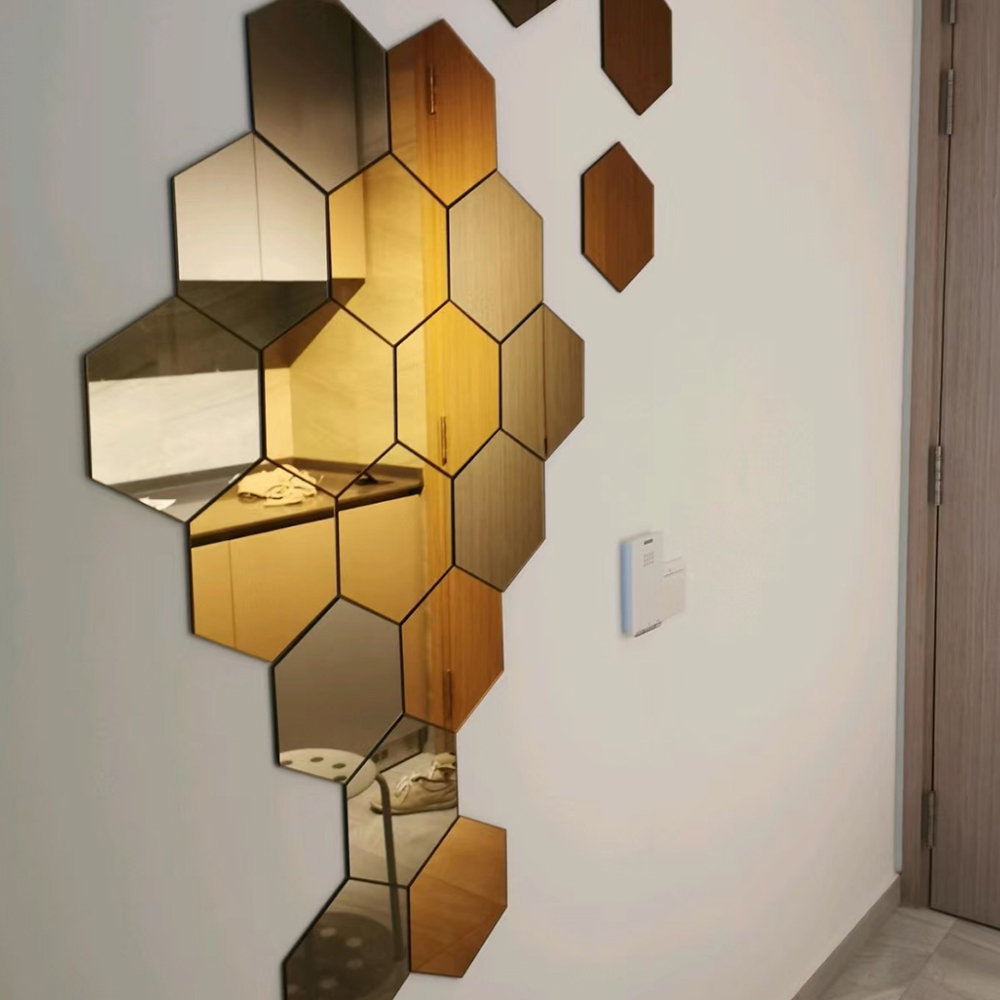
The Colored Variable: A colored mirror typically relies on tinted glass substrates combined with a silver coating, trading absolute reflectivity for specific aesthetic, architectural, or mood-altering outcomes.
Lifespan Factor: Upgrading to copper-free backing paints is critical for both standard silver and colored mirror glass to prevent edge corrosion in high-humidity environments.
The Baseline: Silver vs. Aluminium Coatings
Before introducing color, buyers must understand the substrate and coating differences. These core elements dictate both pricing and longevity. You cannot specify effectively without knowing how these baseline coatings perform under commercial stress.
High-Reflectivity Silver Mirrors
The manufacturing reality of silver coated glass relies on wet chemical deposition. Facilities spray a highly purified silver nitrate solution onto flat glass. This chemical reaction leaves a microscopic layer of pure silver. You get an incredibly bright, distortion-free surface. It stands as the premier choice for commercial real estate.
Optical performance here is unmatched. A high-reflectivity silver mirror provides flat spectral reflection across the visible light spectrum. This minimizes color distortion. Skin tones look natural. Room colors remain true. However, durability presents a challenge. Pure silver is highly susceptible to oxidation. If moisture or sulfur penetrates the back, the edges turn black. You must protect it using high-quality, copper-free backing paint.
Furniture Grade Aluminium Mirrors
Aluminium coatings use a completely different production method. Manufacturers rely on vacuum magnetron sputtering. They place the glass inside a vacuum chamber. High energy bombards an aluminium target. Metal atoms detach and bond to the glass surface. This dry process allows for rapid, high-volume production.
The optical performance differs noticeably from silver. Aluminium naturally casts a slight grayish or cooler tint. It delivers lower overall reflectance, usually capping around 82%. This makes spaces feel slightly dimmer. However, a furniture grade aluminium mirror validates its use case through pricing. It is ideal for cost-sensitive, low-moisture applications. Wardrobe doors, cosmetic compacts, and simple decorative backing benefit from this affordable alternative.
What Makes a Colored Mirror Different? (Manufacturing & Optics)
Color alters the fundamental behavior of light. You achieve this visual shift through two primary manufacturing pathways. Understanding this solution categorization prevents costly specification errors during commercial build-outs.
The "Tinted Glass" Approach (Industry Standard)
Most colored reflective surfaces use bulk-tinted float glass. The factory adds metal oxides to the raw glass batch during melting. This creates bronze, gray, blue, or antique substrates. The mechanics remain straightforward. Manufacturers take this tinted base and apply the standard silvering process to the back.
This creates a significant optical shift. A traditional colored mirror glass filters specific light wavelengths twice. Light enters the room and passes through the tinted glass. It hits the silver backing. It then reflects back through the tinted glass again. This double filtration significantly drops the overall Light Reflectance Value (LRV).
Best Practice: Always request LRV data from your supplier. Add supplemental lighting if you use heavily tinted glass in enclosed spaces.
Common Mistake: Treating a bronze reflective surface like a primary light source in small bathrooms.
The "Dielectric/Vacuum Coating" Approach (Specialty)
Some highly specialized projects require a different approach. The dielectric method manipulates metal oxide layers inside a vacuum chamber. It creates an interference filter. This reflects specific colors without actually tinting the glass base.
The implementation cost is substantially higher. You typically reserve this method for high-end architectural facades. It also appears in precise optical instruments. Standard commercial interiors rarely justify the expense of vacuum-coated color shifting.
Performance Showdown: Evaluating Core Dimensions
Head-to-head evaluation criteria help finalize your specification checklists. You must balance visual appeal against environmental realities. Here is how these three categories compete across vital dimensions.
Mirror Specification Comparison Matrix
Feature
High-Reflectivity Silver
Furniture Grade Aluminium
Colored (Tinted Base)
Reflectivity & Brightness
Highest (~92-95%)
Moderate (~73-82%)
Variable (Often lowest due to tint)
Color Distortion
None (True-to-life)
Slightly grayish/cool
Heavy (Intentional mood alteration)
Moisture Resistance
Strong (If copper-free)
Weak to Moderate
Strong (If copper-free)
Primary Vulnerability
Black edge oxidation
Surface scratching, rapid corrosion
Black edge oxidation
Reflectivity & Brightness
Silver consistently ranks highest for lumen bounce. Aluminium falls into the moderate category. A colored mirror typically ranks lowest. The density of the tint dictates the exact light loss. Dark gray tints absorb more light than light bronze tints. You must calculate this light loss into your overall room design.
Durability & Environmental Resilience
You must carefully compare backing paint requirements. Colored options using a silver base face the exact same oxidation risks as clear silver products. Both develop black edges if moisture attacks the silver nitrate layer. You must seal the edges properly during installation.
Let us check a common assumption. Aluminium coatings are technically less reactive to sulfur and oxygen than raw silver. However, the overall product lifespan heavily depends on the protective sealant layer. Budget aluminium options often feature thin, inferior backing paints. This makes them highly vulnerable in damp environments, despite the metal's natural properties.
Cost-to-Lifespan Ratio
You must rank total upfront costs alongside expected replacement cycles. A cheap product costs more if you must replace it twice a decade. Commercial settings differ drastically. A hospitality bathroom generates high humidity daily. A hotel lobby remains dry and climate-controlled. Specifying a budget option in a wet zone leads to rapid failure. You will spend heavily on labor to remove and replace corroded panels. Always invest in premium backing layers for high-traffic or damp zones to maximize longevity.
Matching the Mirror to the Commercial Project
Aligning the material type with the desired business outcome ensures a successful installation. You need a clear decision framework. Form must follow function in commercial architecture.
When to Spec a Colored Mirror
You should specify tinted options when atmosphere matters more than illumination. The goal here is mood-driven design. Light amplification takes a secondary role.
Hospitality Lobbies: Bronze and antique finishes add warmth and sophistication to reception areas.
Retail Accent Walls: Dark gray reflective panels create depth in high-end fashion boutiques without blinding shoppers.
Restaurant Interiors: Tinted surfaces bounce candlelight beautifully while obscuring minor smudges during busy dinner services.
When to Spec High-Reflectivity Silver
You need silver wherever human interaction demands true-to-life color rendering. Maximum lumen bounce is mandatory here.
Bathrooms: Hotel guests need accurate lighting for grooming and makeup application.
Gymnasiums: Large workout spaces require vast, distortion-free reflective surfaces to monitor form.
Fitting Rooms: Retail clothing stores rely on clear reflections to drive customer purchase decisions.
When to Spec Furniture Grade Aluminium
You choose aluminium when budgets remain constrained and environments stay completely dry. It serves practical, unseen, or temporary purposes perfectly.
Bulk Furniture Manufacturing: The backs of large wardrobe doors or interior cabinet panels.
Temporary Installations: Pop-up retail displays or exhibition booths where longevity matters little.
Non-Humid Decorative Paneling: Ceiling tiles in dry corridors or framed decorative pieces away from plumbing.
Implementation Risks and Sourcing Considerations
Even the best specifications fail if sourcing goes wrong. You must mitigate risks when evaluating supplier samples. Knowing what to look out for protects your project timeline.
The "Black Edge" Vulnerability
Black edge corrosion destroys commercial installations. It happens when ammonia, moisture, or sulfur penetrates the edges. They attack the silver nitrate. Specifying "copper-free" is absolutely non-negotiable for damp environments. Older manufacturing techniques used a copper layer to protect the silver. This copper easily oxidized. Modern copper-free manufacturing uses advanced passivators. This prevents the chemical reaction entirely. You must demand this upgrade for all wet-zone installations.
Batch Color Consistency
Maintaining exact tint matching across different manufacturing runs is notoriously difficult. Factories mix metal oxides into massive glass melts. A slight temperature variation alters the final hue. A bronze panel made in January might look slightly greener than one made in July. You must order your entire project requirement from a single batch. Always request physical samples from the current production run before approving bulk shipments.
Backing Paint Verification
Do not simply trust a sales brochure. You need proof of the protective layer's efficacy. How do you test or request certification? You ask for salt spray testing results. Reputable manufacturers submit their products to rigorous laboratory testing. They expose the backing paint to highly corrosive saline environments for hundreds of hours. Request the official Technical Data Sheet (TDS). Look for passing grades on standardized moisture and corrosion tests.
Conclusion
The choice between colored, silver, and aluminium products extends far beyond simple aesthetics. It represents a calculated trade-off. You must balance light reflectivity, environmental durability, and strict budgets. Silver provides the brightest, most accurate reflection. Aluminium saves money in dry, hidden applications. Tinted substrates deliver stunning architectural atmospheres at the cost of ambient light.
Your next step is critical for procurement success. Advise your buying teams to request physical samples immediately. Do not buy based on digital photos. Furthermore, always demand the technical data sheets (TDS) from your supplier. Verify the exact reflectivity percentages. Confirm the presence of copper-free backing paint before signing off on any bulk commercial orders. Proper upfront diligence guarantees a flawless, long-lasting installation.
FAQ
Q: Do colored mirrors reflect light as well as standard silver mirrors?
A: No. The tinted glass absorbs certain wavelengths. This reduces total light reflectance compared to a clear high-reflectivity silver mirror. You must account for this light loss when planning room illumination.
Q: Are colored mirrors made with silver or aluminium coatings?
A: Most commercial colored mirrors utilize a silver coating. Manufacturers apply this to tinted glass due to silver's superior baseline reflectivity. Vacuum-coated aluminium variants exist, but silver remains the industry standard.
Q: How do I prevent the edges of a colored mirror from turning black?
A: Specify "copper-free" manufacturing when ordering. Additionally, ensure edges are properly sealed during installation. This protects the sensitive silver nitrate layer from moisture, cleaning chemicals, and atmospheric sulfur.
Q: Can aluminium mirrors be used in high-humidity areas like bathrooms?
A: It is generally not recommended unless strictly budgeted. Silver mirrors equipped with copper-free backing offer superior longevity and much clearer reflection for wet environments. Aluminium corrodes faster under constant moisture exposure.