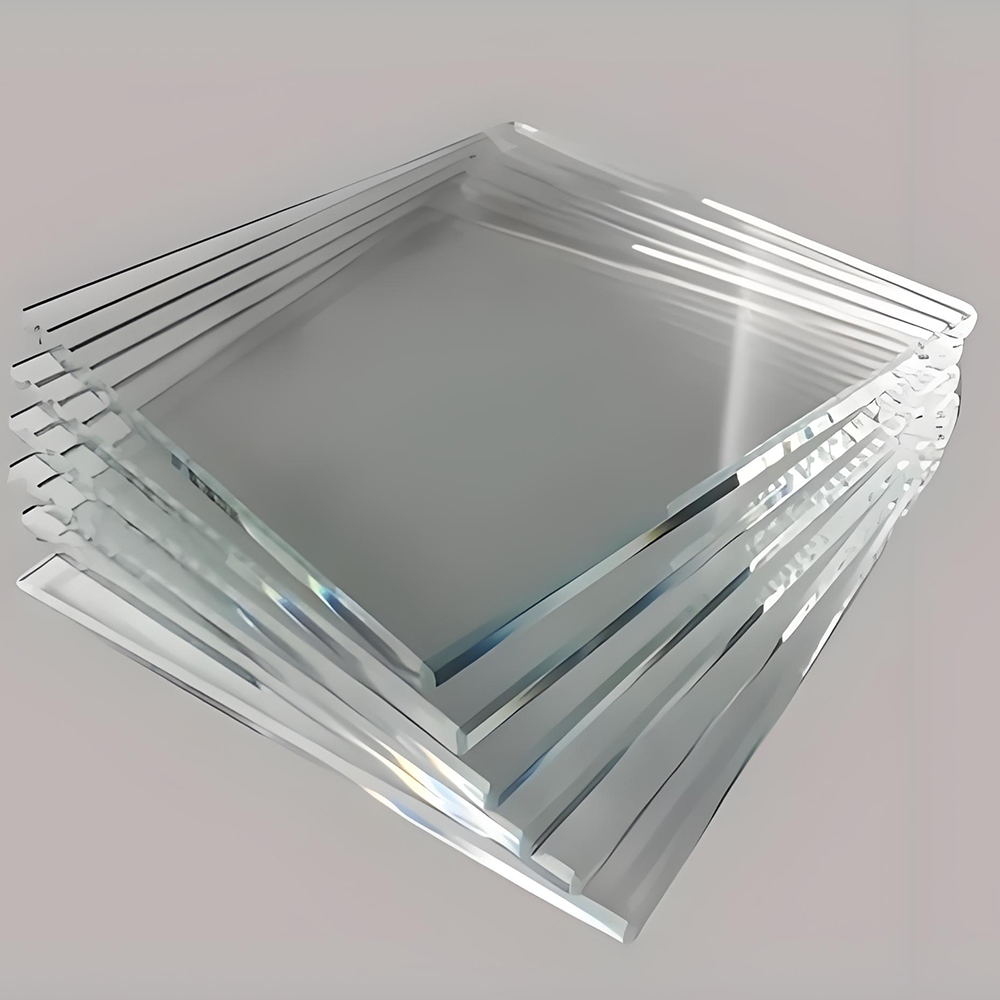
Selecting the right glass material directly impacts product safety, longevity, and brand reputation. Material failure in high-stress environments leads to product recalls, poor reviews, and severe safety hazards. Whether you manage a commercial kitchen, equip a laboratory, or design consumer household goods, shattering glass poses unacceptable risks.
Regular "soda-lime" glass serves as the global standard for low-cost, everyday items. borosilicate glass, however, is engineered for extreme thermal and chemical resilience. Is one inherently superior to the other? "Better" remains highly subjective depending on your specific application.
This guide evaluates the chemical realities, performance outcomes, and cost-to-lifespan return of both materials. We will help product developers, buyers, and informed consumers make an evidence-based decision. You will discover exactly how thermal expansion works, why chemical inertness matters, and when upgrading materials makes strategic sense.
Key Takeaways
Thermal Shock Resistance: Borosilicate glass contains boron trioxide, giving it a drastically lower Coefficient of Thermal Expansion (COE) than regular glass, meaning it won't shatter under rapid temperature changes.
Health & Compliance: Borosilicate is chemically inert, BPA-free, and highly resistant to acid/alkali degradation, making it the superior choice for food-grade and pharmaceutical applications.
Cost vs. Value: While regular glass is cheaper to produce, borosilicate offers a "Buy It For Life" lifespan, often delivering a better long-term ROI for high-use applications.
Sourcing: Partnering with a specialized glass manufacturer is critical when procuring wholesale borosilicate glass, as precise chemical composition dictates actual performance.
Understanding the Material Science: Borosilicate vs. Soda-Lime Glass
Engineers design glass formulas to solve specific environmental problems. You cannot judge a glass product simply by looking at it. The unseen chemical structure dictates every aspect of performance. We must examine the core ingredients to understand why these materials behave so differently.
The Chemical Makeup
Every glass formula relies on a blend of silica and stabilizing agents. Regular soda-lime glass uses a highly economical mixture. It consists primarily of silicon dioxide (sand), sodium oxide (soda), and calcium oxide (lime). Manufacturers use sodium oxide to lower the melting temperature. This reduces manufacturing energy costs drastically. However, this cost-saving addition compromises the material's structural durability.
The premium alternative replaces specific fluxing agents. Manufacturers substitute much of the sodium oxide with boron trioxide. A high-quality formula typically contains around 15% boron trioxide. This specific chemical substitution transforms the raw capabilities of the final product.
Coefficient of Thermal Expansion (COE)
Heat causes objects to expand. Cold causes them to contract. We measure this physical reaction using the Coefficient of Thermal Expansion (COE). If you pour boiling water into a cold soda-lime container, the inside surface expands rapidly. The outside surface remains rigid and cold. The resulting physical stress rips the material apart. You experience this as a sudden, dangerous shatter.
Boron trioxide acts as a molecular shock absorber. It binds the silicate structure tightly. The material expands and contracts at roughly one-third the rate of standard soda-lime products. This minimal expansion rate is the exact scientific mechanism preventing sudden cracks during rapid temperature shifts.
Optical Clarity & Density
Weight and visual aesthetics play huge roles in premium product design. The advanced boron formula creates a less dense physical structure. It feels noticeably lighter in your hand. This lower density offers a major advantage for large containers, thick cookware, and heavy laboratory equipment.
Furthermore, it maintains pristine optical clarity over decades of rigorous use. Regular glass slowly degrades. Heavy commercial washing strips the sodium ions from the surface. You often notice a cloudy, hazy film on older drinking glasses. The upgraded boron formula strongly resists this chemical leaching. It stays brilliantly clear and highly scratch-resistant even after thousands of washing cycles.
Material Comparison Chart
Specification
Soda-Lime Glass (Regular)
Borosilicate Glass
Primary Components
Silicon dioxide, sodium oxide, calcium oxide
Silicon dioxide, boron trioxide (approx. 15%)
Thermal Shock Resistance
Low (Breaks under sudden temperature changes)
Extremely High (Survives severe temperature shifts)
Performance Evaluation: Where Borosilicate Outperforms Regular Glass
Scientific theory translates directly into practical, everyday benefits. We can evaluate real-world scenarios to see where the advanced chemical structure proves its worth. Certain industries completely rely on this enhanced performance to maintain safety and compliance.
Extreme Thermal Shock & Heat Resistance
Real-world environments subject materials to harsh punishments. A professional kitchen demands rapid transitions. You might pull a frozen meal prep container from a deep freezer and place it directly into a 400-degree oven. Regular materials fail catastrophically during this transition.
Evidence: The advanced boron structure handles a thermal differential of over 170°C (340°F) instantly without structural failure. It maintains total integrity during violent temperature swings.
Outcomes: This extreme resilience is non-negotiable for specific applications. Premium bakeware, scientific laboratory equipment, espresso machine components, and specialized industrial lighting require this exact trait. The risk of injury or ruined experiments drops to zero regarding thermal stress.
Chemical Inertness and Health Safety
Modern consumers demand absolute purity. They actively avoid plastics containing BPA or harmful phthalates. However, even low-grade glass can interact negatively with its contents. Highly acidic liquids, such as citrus juices or industrial solvents, can slowly degrade weak materials over time.
Evidence: The material is profoundly inert. It fiercely resists chemical corrosion. It completely refuses to leach metallic tastes, harmful toxins, or heavy metals into internal liquids. It easily holds highly concentrated acids safely for years.
Outcomes: This chemical stability secures strict compliance standards worldwide. Manufacturers choose it universally for food and beverage containers, sensitive medical packaging, pharmaceutical vials, and eco-friendly lifestyle products. Brands rely on this absolute purity to guarantee consumer safety.
The "Buy It For Life" Durability Factor
Consumers increasingly seek sustainable goods. They want items designed to last decades, not months. True sustainability requires robust physical endurance. Everyday handling introduces microscopic scratches into all surfaces. In weaker materials, these tiny abrasions grow.
Evidence: The dense, unified molecular structure prevents surface micro-abrasions from expanding. A tiny scratch on standard soda-lime material often expands into a full structural fault. The superior formula halts this crack propagation immediately.
Outcomes: Products withstand brutal commercial dishwasher cycles. They survive harsh industrial sterilization processes. They endure rigorous daily use far longer than tempered soda-lime alternatives. This extended lifespan reduces overall replacement frequency dramatically.
Best Practices for Maximizing Lifespan
Always allow extremely hot cookware to rest on a dry cloth or wooden trivet, never directly on a cold, wet countertop.
Avoid using highly abrasive metal scouring pads during cleaning; opt for soft sponges or heavy-duty dishwashers.
Inspect edges and rims periodically. Discard any item showing deep, visible structural chips.
When Is Regular Glass the Smarter Choice? (Evaluating Trade-Offs)
Despite the obvious technological advantages, the premium option is not a universal solution. Over-engineering a product wastes valuable resources. You must align the material capabilities with your actual application needs. Regular soda-lime variants remain highly relevant and widely utilized.
Budget-Constrained, Single-Use Applications
Manufacturing costs matter heavily in high-volume production. Soda-lime formulas melt at significantly lower temperatures. Factories burn less fuel during production. This lower energy requirement reduces the final unit cost tremendously.
Therefore, soda-lime remains highly economical for disposable beverage bottles. Condiment jars, basic residential windows, and low-stress packaging rely on this affordable option. If the consumer will recycle the container immediately after use, investing in extreme thermal resistance makes zero financial sense.
Lack of Extreme Temperature Variations
Many environments remain perfectly stable. Consider a decorative living room vase, a bathroom mirror, or a standard picture frame. These items sit at comfortable ambient temperatures indefinitely. They never experience sudden shocks. They never move from a freezer to an oven.
If your product remains in controlled environments, the thermal benefits remain completely underutilized. You pay a premium for a capability you will never activate. In these specific scenarios, high-quality soda-lime materials perform the job flawlessly.
Impact vs. Thermal Shatter
We must clarify a very common misconception. People often confuse thermal strength with mechanical impact strength. While the premium boron formula resists temperature shocks brilliantly, it remains a rigid glass product. If you drop it onto a solid concrete floor, it will break.
In fact, specialized tempered soda-lime glass may actually offer better raw blunt-force impact resistance in certain thicknesses. Tempering creates high surface tension. This tension acts like a tight skin holding the core together. If your primary concern is a blunt physical drop—rather than a temperature shift—thick tempered soda-lime might serve your design better.
Common Mistakes to Avoid
Assuming "oven-safe" labels automatically mean a product can handle immediate freezer-to-oven transitions. Always verify the actual material formula.
Using high-cost specialized materials for single-use packaging. This dramatically inflates retail pricing without delivering real consumer value.
Confusing impact resistance with thermal resistance. A drop on a tile floor destroys both materials similarly unless specifically armored.
Sourcing Strategy: How to Evaluate a Glass Manufacturer
Identifying the right material represents only the first step. You must then secure a reliable supply chain. Procuring premium materials requires extensive diligence. Many suppliers misrepresent their actual formulas. Partnering with a specialized glass manufacturer protects your investment and ensures rigorous product safety.
Verifying Composition: You cannot test the chemistry by eye. When purchasing whosale borosilicate glass, you must demand transparent documentation. Ensure the supplier provides comprehensive material data sheets. These sheets must confirm the precise percentage of boron trioxide. They must list accurate COE ratings. Beware of cheap "soft glass" falsely marketed as the premium alternative. True formulations require specialized, high-heat kilns.
Custom Fabrication Capabilities: Raw tubes and sheets hold little value until shaped. Assess the facility's technical ability to handle your exact design tolerances. Can they maintain consistent wall thicknesses across thousands of units? Do they offer advanced secondary processing? Your project might require precision screen printing, custom acid frosting, or intricate injection molding. Verify their portfolio of completed custom work.
Compliance and Quality Control: Manufacturing defects often remain invisible until catastrophic failure occurs. Strict quality control prevents defective units from shipping. Look for globally recognized ISO certifications. Request their documented QC testing processes. A competent facility uses advanced polariscopes to check for hidden internal stress. They must demonstrate excellent annealing quality. Proper annealing cools the final product slowly, relaxing the internal molecular structure to prevent sudden spontaneous breakage.
Supplier Evaluation Checklist
Evaluation Area
Key Requirement
Red Flags to Watch For
Material Data
Documented COE rating & boron percentage
Refusal to provide lab testing certificates
Quality Control
Internal stress testing via polariscope
High historical batch rejection rates
Facility Certifications
ISO 9001 or equivalent industry standards
Unverifiable or expired compliance documents
Conclusion
We must evaluate materials based on environmental demands and expected lifespans. The premium boron-infused formula is undeniably "better" for demanding applications. It dominates environments requiring aggressive thermal stability, uncompromising chemical purity, and long-term aesthetic retention. Meanwhile, regular soda-lime formulas remain perfectly appropriate and highly efficient for cost-sensitive, low-stress, ambient-temperature goods.
Your next steps depend entirely on your core product use case. Evaluate the daily journey of your product. Will it face sudden temperature shifts? Does your brand positioning require extreme durability and premium purity? If you answer yes, you should absolutely prioritize the advanced formula. Begin reaching out to verified suppliers. Request official material data sheets immediately. By aligning your material choice with your actual performance requirements, you guarantee product safety and elevate your long-term brand reputation.
FAQ
Q: Is borosilicate glass safe for boiling water?
A: Yes. Its exceptionally low thermal expansion means it can easily handle boiling water without shattering, making it the standard for premium kettles and lab beakers. The material absorbs the rapid heat influx smoothly, preventing the internal stress that typically destroys standard materials.
Q: Does borosilicate glass break easily if dropped?
A: While stronger and more scratch-resistant than regular glass, it is not unbreakable. It is highly resistant to thermal shock, but physical/mechanical shock (dropping on a hard floor) can still cause shattering. You must still handle it with care to prevent blunt-force impact damage.
Q: Why is wholesale borosilicate glass more expensive than standard glass?
A: The manufacturing process requires significantly higher melting temperatures and specialized equipment to process the boron trioxide, increasing both energy and production costs compared to standard soda-lime glass. Additionally, the precise annealing process requires strictly controlled cooling environments, further elevating baseline factory expenses.