When it comes to choosing windows for your home, the glass you select plays a significant role in your home’s energy efficiency, comfort, and overall aesthetic. Two popular choices that homeowners often consider are tinted glass and Low-E (low-emissivity) glass. Both options offer distinct advantages, but which one is the best fit for your home? In this article, we’ll take a closer look at how each type of glass works, the benefits they offer, and help you determine which one is right for your needs.
What is Low-E Glass?
Low-E glass, short for low-emissivity glass, refers to a type of window glazing that has a special coating designed to minimize the amount of ultraviolet (UV) and infrared (IR) light that passes through the glass, without compromising the amount of visible light. This coating, typically made from a thin layer of metal oxide, reflects heat back into the room during winter while allowing sunlight to penetrate in the summer.
The main purpose of Low-E glass is to improve a home’s energy efficiency. It works by reflecting heat back into the home, preventing heat loss during colder months, and reducing heat gain in the warmer months. Essentially, Low-E glass helps keep the interior of your home comfortable year-round, regardless of external temperatures.
How Low-E Glass Works
Low-E glass works through a process known as selective radiation. The coating applied to the glass reflects infrared light (heat), keeping the warmth inside during winter. This means that in colder climates, Low-E glass reduces the amount of heat that escapes from your home, which can significantly lower your heating costs.
In the summer, the same reflective properties of Low-E glass block solar heat, preventing excess heat from entering your home. This reduces the need for air conditioning, which can save you money on cooling costs.
Low-E glass is available in different variations, including:
Single Low-E Coating: Offers basic performance in reflecting heat and blocking UV rays.
Double Low-E Coating: Provides enhanced performance by featuring coatings on both sides of the glass, further improving insulation and heat reflection.
The Benefits of Low-E Glass
Energy Efficiency: Low-E glass helps keep your home at a comfortable temperature year-round by reflecting heat back inside during the winter and blocking excess solar heat in the summer. This can reduce heating and cooling costs.
UV Protection: The special coating blocks a significant portion of harmful UV rays, which can damage your furniture, flooring, and upholstery over time. By reducing UV exposure, Low-E glass helps protect the interior of your home from fading.
Improved Comfort: Low-E glass can create a more comfortable living environment by reducing cold spots near windows and keeping rooms at a more consistent temperature.
Environmental Benefits: By improving energy efficiency, Low-E glass reduces the amount of energy your home consumes, leading to a smaller carbon footprint.
Noise Reduction: Some Low-E glass options are combined with additional features, such as laminated layers, to reduce outside noise, creating a quieter indoor environment.
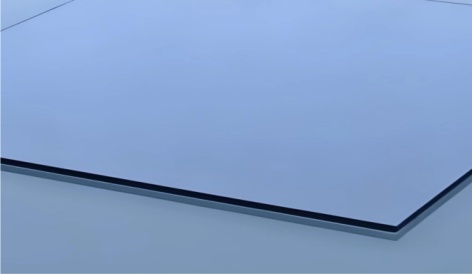
What is Tinted Glass?
Tinted glass, on the other hand, is a type of glass that has been treated with a colored film or chemical coating to reduce the amount of visible light that enters through the glass. The purpose of tinted glass is primarily aesthetic, but it also offers some practical benefits.
Tinted glass works by absorbing sunlight before it enters the home, which helps to reduce glare and protect the interior from the sun's harsh rays. It can also provide some privacy by making it more difficult to see into your home from the outside, especially during the day.
The tint in the glass is usually achieved through a process that involves applying a colored film or adding metal oxides to the glass. Depending on the shade and the level of tinting, tinted glass can vary in its ability to block visible light, UV rays, and heat.
How Tinted Glass Works
Tinted glass works by selectively absorbing and filtering sunlight. The glass's color and level of tint determine how much light and heat can pass through. The darker the tint, the more sunlight is absorbed, reducing the amount of glare and heat that enters the room. However, it is important to note that while tinted glass can block some infrared and UV light, it is not as effective as Low-E glass in reflecting heat or preventing heat loss.
Unlike Low-E glass, which reflects heat and UV rays, tinted glass primarily focuses on reducing the amount of light that enters the home. It is effective at reducing glare and providing a level of privacy, but it does not offer the same level of thermal insulation as Low-E glass.
The Benefits of Tinted Glass
Reduced Glare: Tinted glass is ideal for areas with high sun exposure, such as living rooms or home offices. It reduces glare, making it more comfortable to watch TV, use a computer, or relax without being bothered by bright sunlight.
Privacy: The tinted coating on the glass makes it harder for people outside your home to see in, providing an added level of privacy, especially during the day.
UV Protection: Tinted glass can block a portion of UV rays, helping to protect your furniture, flooring, and interior decorations from fading and sun damage. However, it does not provide as much protection as Low-E glass.
Aesthetic Appeal: Many homeowners choose tinted glass for its modern and sleek look. Tinted windows can give your home a uniform, stylish appearance, and the variety of tint shades available allows for personalization based on your preferences.
Low-E Glass vs. Tinted Glass: Which is Right for Your Home?
Now that we've covered how Low-E and tinted glass work, let’s take a look at which one might be better suited for your home. Both options offer distinct benefits, but your choice will depend on several factors, including your climate, aesthetic preferences, and energy efficiency goals.
Energy Efficiency:
If your primary concern is improving your home's energy efficiency, Low-E glass is the better choice. It provides superior thermal insulation, reflecting heat back inside during the winter and blocking excess heat in the summer. This can lead to significant savings on your heating and cooling bills.
Tinted glass, while effective at reducing glare and providing some privacy, is not as efficient at regulating your home’s temperature. It absorbs sunlight rather than reflecting heat, so it may not provide the same level of energy savings as Low-E glass.
UV Protection:
Both Low-E glass and tinted glass offer some degree of UV protection, but Low-E glass is far superior in blocking UV rays. The special coating on Low-E glass reflects a higher percentage of UV light, helping to protect your home’s interior from fading.
Tinted glass can block some UV rays, but not as effectively as Low-E glass. If protecting your furniture, carpets, and artwork from sun damage is a priority, Low-E glass is the best option.
Aesthetic Considerations:
If you’re looking for a specific aesthetic, tinted glass can provide a sleek, modern look, with the added benefit of reducing glare and enhancing privacy. The variety of tint options allows for customization based on your preferences.
On the other hand, Low-E glass is nearly invisible and won’t alter the appearance of your windows, making it a great choice for homeowners who prefer a more subtle, transparent solution that doesn’t impact the visual appeal of their home.
Comfort and Privacy:
For homes in sunny climates where sunlight can make certain rooms uncomfortable, tinted glass can be an excellent solution for reducing glare and heat. It also provides added privacy during the day. However, for year-round comfort and protection against both heat and cold, Low-E glass is a better choice as it offers consistent insulation and maintains a more comfortable temperature indoors.
Conclusion
Both tinted glass and Low-E glass have their distinct advantages, depending on your home’s specific needs. Low-E glass is ideal for homeowners looking to improve energy efficiency, reduce UV damage, and maintain a consistent, comfortable indoor climate. On the other hand, tinted glass is a great option for those seeking a stylish, modern look with added privacy and glare reduction.
If you’re considering upgrading your windows or selecting glass for a new build, it’s important to weigh the benefits of both options and choose the one that aligns with your home’s unique needs and your personal preferences.
For more information on how these types of glass can benefit your home and to explore high-quality glass options for your next project, we recommend reaching out to Qingdao NAF Glass Industries Co., Ltd. Our teaurm of experts can guide you in selecting the best glass solutions for your needs, ensuring that your home benefits from both aesthetic appeal and superior energy efficiency.
Feel free to contact them for more details or to discuss how they can assist with your next glass installation project. Their knowledgeable team is ready to help you find the perfect solution for your home.


