Why does some glass survive sudden heat while others crack easily? The answer often lies in borosilicate glass, a material known for thermal stability and chemical resistance. Products like borosilicate glass from Qingdao NAF Glass Industries Co.,Ltd. are widely used in laboratories, kitchens, and industry. In this article, you will learn its composition, key properties, common uses, and how it differs from regular glass.
What Is Borosilicate Glass and How Is It Made?
The Basic Definition of Borosilicate Glass
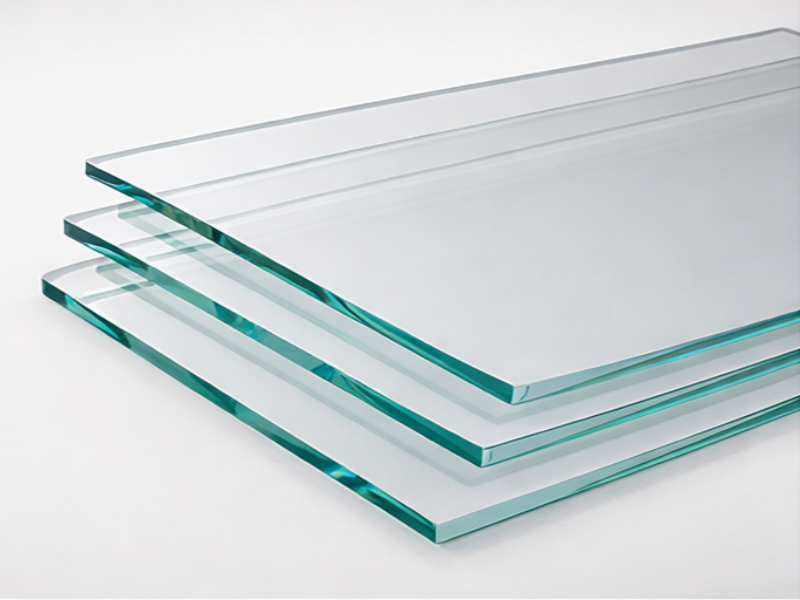
Borosilicate glass is a specialized type of glass designed to perform reliably in environments where temperature changes and chemical exposure are common. Unlike conventional soda-lime glass—typically used for windows, bottles, and everyday containers—borosilicate glass contains boron compounds that significantly alter the internal glass structure. This modified structure results in a much lower coefficient of thermal expansion, allowing the material to remain stable when exposed to rapid heating or cooling.
In practical applications, this means borosilicate glass is far less likely to crack or shatter when temperature conditions change quickly. For example, a container made from borosilicate glass can often move from a refrigerator to an oven without experiencing the same thermal stress that would damage ordinary glass. This property makes it highly suitable for applications where durability and reliability are critical.
Because of its thermal stability and chemical resistance, heat-resistant borosilicate glass is widely used across multiple industries. In laboratories, it is the preferred material for equipment that must tolerate repeated heating cycles and exposure to reactive chemicals. In domestic environments, borosilicate glass is commonly used in oven-safe cookware, measuring cups, and storage containers designed to handle both hot and cold conditions. Industrial systems also rely on borosilicate glass for components such as observation windows or protective panels where temperature fluctuations are common.
Another important characteristic of borosilicate glass is its non-porous and chemically inert surface. This prevents the absorption of odors, stains, or chemical residues, which is particularly valuable in scientific and food-related applications where purity and cleanliness are essential.
Key characteristics of borosilicate glass include:
● High resistance to sudden temperature changes, reducing the risk of thermal shock damage
● Strong chemical durability, allowing safe contact with acids, alkalis, and many solvents
● High optical transparency, supporting observation and precision applications
● Structural stability, making the material suitable for both domestic and industrial environments
These combined properties make borosilicate glass one of the most reliable glass materials for applications that demand both heat resistance and chemical stability.
Key Ingredients in Borosilicate Glass
The distinctive performance of borosilicate glass comes from its carefully balanced chemical composition, which differs significantly from that of standard glass. While many types of glass rely primarily on silica combined with soda and lime, borosilicate glass incorporates boron compounds that modify the glass network and improve its performance under stress.
Two core ingredients form the backbone of the material:
● Silica (SiO₂) – the primary glass-forming component responsible for transparency, hardness, and overall structural rigidity. Silica creates the basic network that holds the glass structure together.
● Boron trioxide (B₂O₃) – a key additive that reduces thermal expansion and enhances resistance to heat and chemical attack. Boron atoms integrate into the glass network and allow the structure to respond more flexibly to temperature changes.
Together, these compounds form a more stable molecular structure than that found in standard soda-lime glass. The presence of boron allows the glass network to better distribute thermal stress, which is why borosilicate glass maintains its shape and integrity even when exposed to sudden temperature shifts.
In addition to silica and boron trioxide, small amounts of other oxides may be included during manufacturing to refine properties such as mechanical strength, melting behavior, and long-term durability. However, the defining characteristic of borosilicate glass remains the interaction between silica and boron, which creates a highly stable and heat-resistant material.
Key Properties of Borosilicate Glass
Thermal Shock Resistance
One of the defining characteristics of borosilicate glass is its ability to tolerate sudden temperature changes without cracking. This performance is largely attributed to its low coefficient of thermal expansion, meaning the material expands and contracts much less when exposed to heat. In practical terms, this allows borosilicate glass to move between cold and hot environments with minimal structural stress.
For example, laboratory glassware and oven-safe cookware made from borosilicate glass can handle rapid temperature shifts such as transferring a container from refrigeration to a heated environment. Ordinary soda-lime glass, by contrast, tends to experience uneven expansion when heated, which can lead to fractures.
Because of this stability, borosilicate glass is commonly selected for equipment that experiences repeated heating and cooling cycles. Typical examples include:
● laboratory beakers and flasks exposed to heated reactions
● heat-resistant kitchen cookware and measuring vessels
● industrial viewing windows in high-temperature systems
Chemical Stability
Another important property is the chemical durability of borosilicate glass. The material’s tightly bonded glass network resists interaction with many reactive substances, including acids, alkalis, and organic solvents. This makes it particularly suitable for environments where materials may come into contact with aggressive chemicals.
In scientific laboratories, containers made from borosilicate glass are frequently used to store or mix chemical solutions because the material does not easily react with the substances inside. This stability helps preserve the integrity of experiments and prevents contamination.
The same characteristic is valuable in industrial systems. Equipment such as chemical processing vessels or heat exchangers may require materials that can withstand long-term exposure to corrosive fluids. Borosilicate glass performs well in these settings due to its resistance to chemical degradation.
Optical Clarity and Structural Strength
In addition to chemical and thermal stability, borosilicate glass also offers excellent optical clarity and mechanical reliability. Its composition allows the glass to maintain high light transmission and consistent transparency even after prolonged exposure to heat or ultraviolet light. This optical quality is particularly important in scientific observation and optical devices where clear visibility is required.
The material also demonstrates improved durability compared with many standard glass types. The stronger glass network formed by silica and boron compounds enhances resistance to deformation and mechanical stress.
Property | Borosilicate Glass | Typical Soda-Lime Glass |
Thermal expansion | Low, stable under temperature change | Higher expansion, more prone to cracking |
Chemical resistance | Strong resistance to acids and alkalis | Moderate resistance |
Optical clarity | High transparency and long-term stability | Can discolor or degrade over time |
Structural durability | Maintains strength in demanding conditions | Less stable in extreme environments |
These combined properties allow borosilicate glass to perform reliably in applications that demand temperature stability, chemical resistance, and consistent optical performance.
Typical Applications of Borosilicate Glass
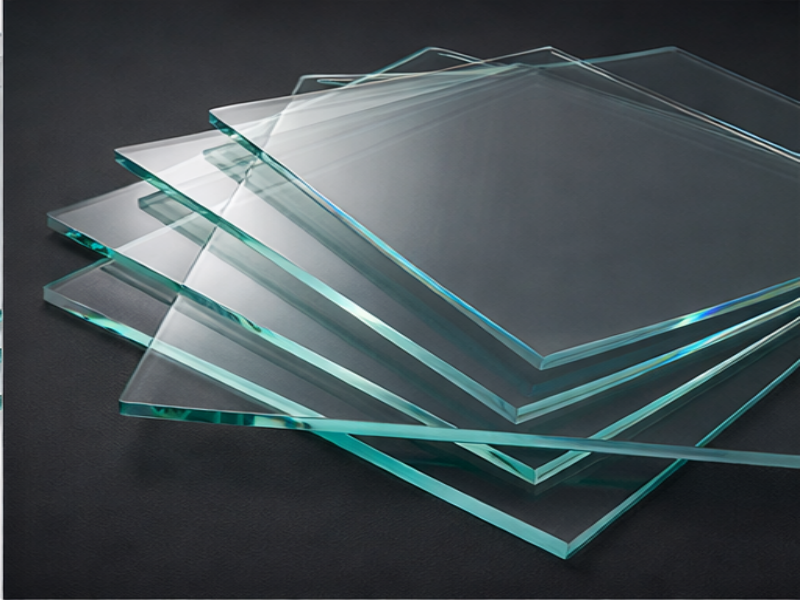
Laboratory and Scientific Equipment
The stability and durability of borosilicate glass make it a standard material in scientific environments where both temperature and chemical exposure must be carefully controlled. In laboratories, glass containers are frequently subjected to heating, cooling, and interaction with reactive substances. Borosilicate glass maintains structural integrity under these conditions, which helps ensure consistent experimental results.
Because the material is chemically inert and resistant to thermal shock, it is commonly used to produce borosilicate laboratory glassware. Researchers rely on these containers for tasks such as heating solutions, observing reactions, and storing chemical compounds without the risk of contamination or unexpected material failure.
Typical laboratory applications include:
● test tubes used in chemical analysis and biological research
● beakers and flasks designed for mixing and heating solutions
● condensers and reaction vessels used in experimental setups
● petri dishes and laboratory containers requiring clear visibility
The optical transparency of borosilicate glass also allows scientists to observe reactions directly, which is essential in many experimental procedures.
Kitchen and Food-Related Products
Beyond laboratory use, borosilicate glass has become widely used in domestic environments because of its safety and durability. Many modern cookware and food storage products are made from food-safe borosilicate glass, which does not release substances into food and can tolerate a wide range of temperatures.
In kitchens, this type of glass is valued for its ability to move between different temperature conditions without cracking. For example, containers may be used for storing food in the refrigerator and later placed in an oven or microwave. The non-porous surface also prevents the absorption of odors, flavors, or stains.
Common household applications include:
● oven-safe baking dishes and casserole containers
● glass food storage containers and lunch boxes
● measuring cups and mixing bowls
● teapots, coffee makers, and drinkware
These products combine durability with visual clarity, allowing users to easily monitor cooking or storage conditions.
Industrial and Technical Uses
In industrial environments, borosilicate glass is selected for applications that demand reliable performance under heat, pressure, or chemical exposure. Its resistance to corrosion and temperature variation allows it to function in systems where ordinary glass would degrade more quickly.
Application Area | Example Uses |
Chemical processing | Sight glasses and viewing windows for monitoring reactions |
Optical technology | Precision lenses and optical components requiring clarity |
Lighting systems | Glass envelopes for high-intensity lamps and technical lighting |
Industrial equipment | Protective panels and observation windows in heated systems |
These applications benefit from the material’s combination of mechanical stability, transparency, and resistance to harsh operating conditions.
Borosilicate Glass vs. Regular Glass
Differences in Composition
The primary distinction between borosilicate glass and regular glass lies in their chemical composition. Most everyday glass products—such as window panes, bottles, and jars—are made from soda-lime glass, a material composed mainly of silica, soda ash, and limestone. This formulation is inexpensive and easy to manufacture, which explains its widespread use in mass-produced glass products.
Borosilicate glass, however, modifies this structure by introducing boron compounds, particularly boron trioxide. The addition of boron changes the internal glass network, making it more resistant to both temperature stress and chemical attack. The result is a more stable and durable material designed for demanding environments such as laboratories, kitchens, and industrial systems.
Feature | Borosilicate Glass | Soda-Lime Glass |
Main components | Silica + boron trioxide with minor additives | Silica + soda ash + limestone |
Glass network structure | More chemically stable and thermally resistant | Less stable under chemical or thermal stress |
Typical applications | Laboratory equipment, cookware, industrial glass | Bottles, windows, everyday containers |
Manufacturing cost | Higher due to specialized composition | Lower and easier for large-scale production |
Differences in Heat Resistance and Durability
Beyond composition, the most noticeable difference between the two materials is their behavior under heat. Borosilicate glass has a much lower thermal expansion rate, which means it expands and contracts very little when temperatures change. This property allows it to tolerate sudden shifts in temperature without cracking.
In practical use, this means borosilicate containers can safely move between environments such as refrigerators, ovens, or laboratory heating equipment. Soda-lime glass, by contrast, reacts more strongly to heat fluctuations. Uneven expansion can create internal stress, increasing the likelihood of fractures or breakage when exposed to rapid temperature changes.
Because of these characteristics, borosilicate glass is often chosen for applications that require long-term durability under thermal stress, particularly in scientific instruments, heat-resistant cookware, and industrial observation components.
Conclusion
Borosilicate glass is defined by its silica–boron composition, strong thermal stability, and chemical resistance. These properties make it widely used in laboratories, kitchenware, and industrial equipment. Qingdao NAF Glass Industries Co.,Ltd. provides borosilicate glass products designed for reliable performance in demanding environments.
FAQ
Q: What is borosilicate glass used for?
A: Borosilicate glass is commonly used in laboratory glassware, heat-resistant cookware, and industrial sight glass because it tolerates temperature changes and chemical exposure.
Q: How is borosilicate glass different from regular glass?
A: Borosilicate glass contains silica and boron trioxide, giving it lower thermal expansion and greater resistance to thermal shock than soda-lime glass.
Q: Is borosilicate glass suitable for high-temperature applications?
A: Yes. Borosilicate glass maintains structural stability during rapid heating or cooling, making it suitable for laboratory equipment and heat-exposed components.
Q: Is borosilicate glass chemically resistant?
A: Borosilicate glass resists many acids, alkalis, and solvents, which supports its use in scientific experiments and industrial processing environments.


