Please Choose Your Language
- All
- Product Name
- Product Keyword
- Product Model
- Product Summary
- Product Description
- Multi Field Search

Views: 0 Author: Site Editor Publish Time: 2026-03-16 Origin: Site
Why do modern buildings rely so heavily on glass façades? In many projects, insulated glass plays a key role in improving energy efficiency and indoor comfort. As demand for high-performance Architectural Glass grows, designers often ask: what is the best insulated glass for today’s buildings? In this article, you will learn how different insulated glass technologies support modern architectural design.
Selecting high-performance insulated glass for architectural applications usually begins with two measurable indicators: thermal insulation and solar control. U-factor reflects how much heat passes through a glazing system; lower values indicate stronger resistance to heat loss or gain. In energy-efficient building envelopes, architects often prioritize low U-factor glazing to stabilize indoor temperatures and reduce HVAC loads.
Solar Heat Gain Coefficient (SHGC) measures how much solar radiation enters a building through glass. A lower SHGC helps limit unwanted heat in warm climates, while moderate values may support passive heating in cooler regions. These metrics guide glazing selection for façades, windows, and curtain walls where energy performance directly affects operating costs.
Metric | What It Measures | Design Impact |
U-factor | Heat transfer through glazing | Lower values improve insulation |
SHGC | Solar heat entering the building | Controls cooling loads and glare |
Modern insulated glass units (IGU) rely on multi-pane construction that creates sealed cavities between glass layers. These cavities interrupt heat movement that would otherwise pass through a single pane, helping buildings maintain more stable interior temperatures throughout the year.
Gas fills further enhance this effect. Heavier inert gases slow thermal movement more effectively than air, improving the insulating capability of the glazing system.
Key elements that improve IGU performance include:
● Multiple glass panes separated by sealed cavities
● Gas layers such as argon or krypton that reduce thermal conductivity
● Controlled cavity spacing that balances insulation and structural stability
The long-term performance of architectural insulated glass systems depends heavily on the quality of structural components. Spacers keep the panes evenly separated and help maintain the cavity width that supports insulation performance. Desiccants absorb residual moisture inside the cavity, preventing fogging and preserving clarity over time.
Edge sealing systems play a critical role in maintaining airtightness. High-quality sealants prevent external moisture infiltration and help retain the internal gas layer, which supports stable thermal performance and durability in building façades and window assemblies.
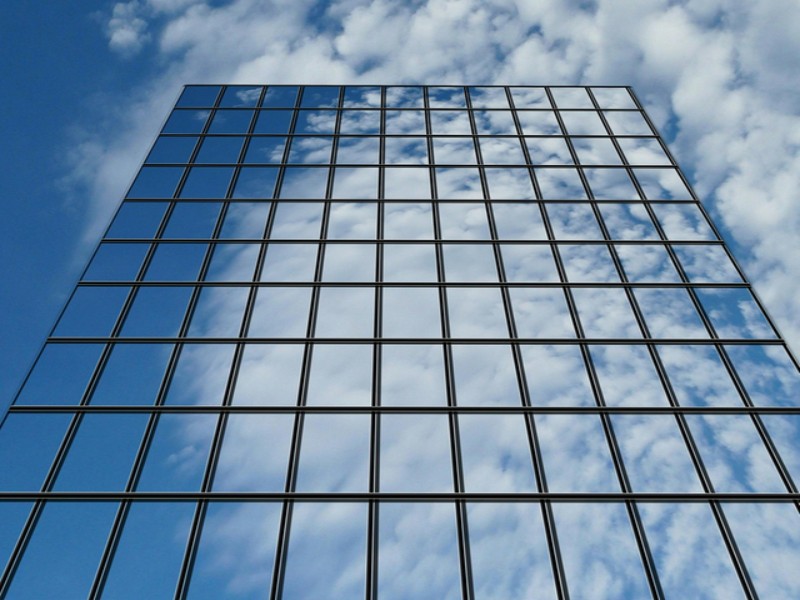
Different glazing technologies are used in Architectural Glass systems to improve thermal insulation, energy efficiency, and building comfort. While all insulated glass units (IGUs) rely on multi-pane construction, the configuration of panes, cavities, coatings, and gases can significantly affect performance. The following types are widely used in modern building envelopes.
Insulated Glass Type | Structural Design | Typical Advantage | Common Applications |
Vacuum Insulated Glass (VIG) | Two panes separated by a vacuum layer | Extremely low heat transfer | High-performance façades, retrofits |
Triple-Pane Insulated Glass | Three panes with two sealed cavities | Strong thermal and acoustic insulation | Residential windows in cold climates |
Low-E Gas-Filled Insulated Glass | Coated glass with argon or krypton cavity | Balanced energy efficiency and daylight | Commercial and residential glazing |
Vacuum insulated glass relies on a sealed vacuum layer between two panes of glass. Because air is removed from the cavity, heat transfer through convection is nearly eliminated, leaving only minimal conductive and radiative heat movement. This structural principle allows VIG systems to achieve extremely strong thermal performance compared with conventional glazing.
Another distinctive feature of VIG is its slim profile. The vacuum cavity can be significantly thinner than traditional multi-pane spacing, enabling architects to maintain narrow window frames and sleek façade designs without sacrificing insulation. This makes VIG particularly suitable for projects where façade thickness is limited.
Typical applications include high-performance curtain walls, renovation projects that require improved insulation without increasing glazing thickness, and buildings designed to meet strict energy-efficiency targets.
Triple-pane insulated glass consists of three glass layers separated by two sealed cavities. These cavities are commonly filled with insulating gas, creating multiple thermal barriers that slow heat transfer across the window system.
Compared with standard double glazing, triple-pane systems improve indoor temperature stability and reduce exterior noise infiltration. The additional pane increases the overall insulating capability while also enhancing acoustic performance, which can be important for buildings located near busy streets or urban areas.
Common situations where triple-pane glazing is selected include:
● Homes in cold or mixed climates requiring higher insulation levels
● Residential windows designed for improved sound control
● Buildings aiming to reduce seasonal heating energy demand
Low-emissivity (Low-E) coatings are widely used in modern Architectural Glass insulated glazing systems to control radiant heat transfer. These coatings consist of microscopically thin metallic layers applied to the glass surface, designed to reflect infrared heat while allowing visible light to pass through.
When Low-E coated panes are combined with gas-filled cavities, the overall insulation performance of the IGU improves significantly. Argon or krypton gases reduce thermal conductivity inside the cavity, while the coating limits heat radiation through the glass.
This combination allows glazing systems to maintain daylight clarity while improving thermal control, making Low-E insulated glass one of the most common solutions in contemporary building design.
Advances in glazing engineering continue to push insulated glass performance beyond traditional configurations. New developments include thin multi-layer glazing systems that increase insulation without significantly increasing window thickness.
Research and product development in architectural glazing are exploring:
● Advanced multi-layer IGU configurations
● New coating technologies for improved solar control
● Integration of smart materials and dynamic glazing systems
These technologies aim to improve energy efficiency while maintaining the transparency and design flexibility required in modern architectural façades.
Selecting the right insulated glass depends on more than a single performance metric. Architects and builders typically evaluate glazing based on climate conditions, long-term operating efficiency, and compatibility with the building envelope. Because insulated glass systems can be configured with different pane structures, coatings, and gas fillings, choosing the optimal solution often involves balancing energy performance with structural and design requirements.
Project Factor | Key Consideration | Impact on Insulated Glass Selection |
Climate zone | Solar heat gain vs. insulation priority | Determines SHGC and U-factor targets |
Energy performance goals | Heating and cooling demand | Influences pane configuration and coatings |
Building design | Façade structure and glazing size | Affects thickness and structural glass type |
Lifecycle cost | Installation vs. operating cost | Guides selection between standard and high-performance IGUs |
Climate plays a central role in determining which architectural insulated glass configuration performs best. In warm regions, glazing systems are typically designed to reduce solar heat entering the building. Lower SHGC values help minimize cooling loads while still allowing natural daylight to enter interior spaces.
In colder climates, the priority often shifts toward stronger insulation. Multi-pane insulated glass with improved thermal resistance can reduce heat loss through windows during winter. Buildings in mixed climates often require a balanced solution that manages both solar gain and insulation performance depending on seasonal conditions.
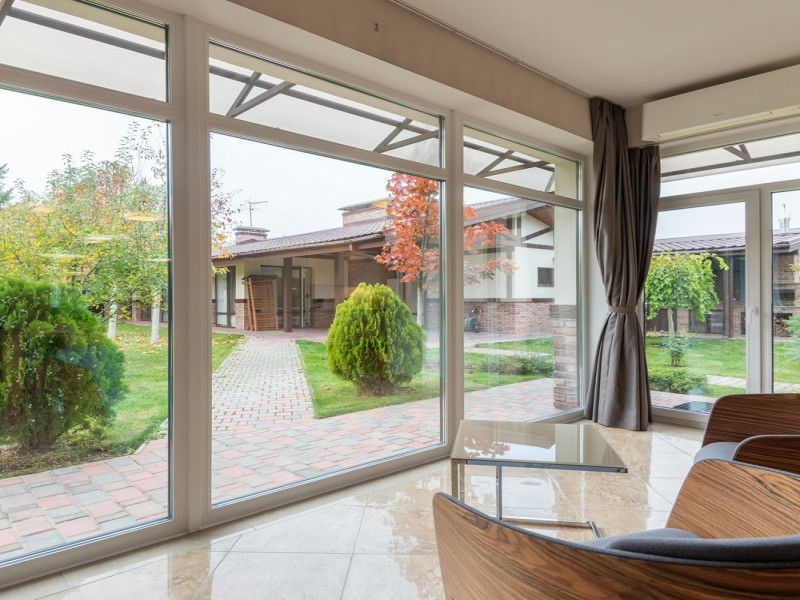
Insulated glass technologies vary in cost depending on pane configuration, coatings, and gas fillings. While advanced glazing systems may involve higher initial investment, they can improve building efficiency over time by lowering heating and cooling demands.
When evaluating different architectural insulated glass solutions, project planners often consider several factors:
● Initial material and installation costs
● Expected operational energy savings
● Maintenance requirements and durability
● Overall lifecycle performance of the glazing system
This evaluation helps determine whether higher-performance glazing technologies provide meaningful long-term value for a particular project.
Beyond thermal performance, insulated glass must also meet structural and architectural requirements. Glazing thickness, pane size, and load resistance all influence whether a specific insulated glass configuration can be integrated into a façade system.
Modern architectural projects frequently incorporate large glass surfaces, including curtain walls, skylights, and floor-to-ceiling windows. These applications require insulated glass units that maintain structural stability while supporting energy efficiency. Manufacturers such as Qingdao NAF Glass Industries Co.,Ltd. provide customizable insulated glass configurations that allow architects to adjust pane structure, gas filling, and glass types to match different architectural applications.
High-performance insulated glass is widely used in modern building envelopes because it addresses several practical challenges at once—thermal insulation, acoustic comfort, and daylight control. Its multi-pane structure and sealed cavities help regulate indoor conditions while maintaining the transparency required in contemporary architecture.
Building Type | Key Performance Benefit | Typical Application |
Residential buildings | Thermal insulation and noise reduction | Windows, sliding doors, balcony glazing |
Commercial buildings | Energy efficiency and daylight management | Curtain walls, façades, large window systems |
In residential construction, insulated glass helps maintain stable indoor temperatures by slowing heat transfer through windows. This reduces the workload on heating and cooling systems, which can improve overall energy efficiency in homes. Multi-pane glazing systems also help limit condensation on interior glass surfaces, contributing to more comfortable indoor environments during seasonal temperature changes.
Another important advantage in residential areas is acoustic insulation. The sealed air or gas cavity between panes acts as a barrier that reduces the transmission of exterior noise. This can be particularly beneficial for apartments, houses near busy roads, or homes located in dense urban environments where traffic and city activity are constant sources of sound.
In commercial architecture, large glass façades are often used to maximize daylight and create open visual connections between interior and exterior spaces. Insulated glass in architectural façades allows these designs to maintain transparency while helping regulate heat transfer through the building envelope.
Typical commercial applications include:
● Office towers with curtain wall glazing systems
● Hotels and hospitality buildings with large window façades
● Institutional buildings such as hospitals, schools, and public facilities
By combining daylight access with improved thermal performance, insulated glass systems help maintain more stable indoor temperatures across large glazed surfaces while supporting modern architectural design requirements.
The best insulated glass depends on climate, building design, and energy goals. Modern Architectural Glass systems use multi-pane structures, coatings, and gas-filled cavities to improve efficiency. Qingdao NAF Glass Industries Co.,Ltd. provides customizable insulated glass solutions that support durable, energy-efficient glazing for diverse architectural projects.
A: The best insulated glass depends on climate, energy targets, and façade design requirements in Architectural Glass systems.
A: Insulated glass reduces heat transfer and improves indoor comfort in Architectural Glass façades.
A: Insulated glass uses sealed multi-pane cavities and gas layers to slow heat movement through windows.
A: Engineers evaluate insulated glass using U-factor, SHGC, pane configuration, and compatibility with Architectural Glass assemblies.


