Please Choose Your Language
- All
- Product Name
- Product Keyword
- Product Model
- Product Summary
- Product Description
- Multi Field Search

Have you noticed modern windows keeping buildings quieter and more comfortable? Much of that performance comes from insulated glass used in today’s Architectural Glass systems. Many readers want to understand how insulated glass is made and why it works so well. In this article, you will learn its structure, key manufacturing steps, materials used, and essential quality checks.
Modern architectural glass systems often rely on insulated glazing to improve building comfort and energy efficiency. Insulated glass units (IGUs) consist of multiple glass layers separated by a sealed space that reduces heat transfer between indoor and outdoor environments. By creating a controlled cavity between panes, insulated glass helps stabilize interior temperatures, manage condensation, and improve acoustic performance in residential and commercial buildings. The design is widely used in windows, curtain walls, and façade systems where thermal performance and daylighting must be balanced.

An insulated glass unit is formed by combining two or more sheets of glass with a spacer frame that maintains a consistent gap between them. This spacing creates a cavity that acts as a thermal barrier within the glazing system.
Key structural characteristics include:
● Multiple glass panes: The glazing layers may be arranged in double- or triple-pane configurations depending on insulation requirements.
● Spacer frame separation: A rigid spacer keeps the glass panes parallel and defines the thickness of the internal cavity.
● Sealed perimeter: Edge sealing bonds the glass and spacer together, forming a stable, airtight unit designed to maintain internal conditions.
This configuration transforms standard glazing into a more advanced insulated glass structure that helps reduce unwanted heat exchange through building envelopes.
Several components work together inside an IGU to maintain its insulating performance and structural stability.
Component | Function in the IGU System |
Glass panes | May include clear float glass, ultra clear float glass, tinted glass, or coated glass depending on optical or thermal needs |
Spacer bar with desiccant | Maintains pane spacing and absorbs residual moisture inside the cavity |
Gas-filled cavity | Filled with air, argon, or krypton to slow heat transfer between interior and exterior environments |
Edge sealing system | Creates an airtight boundary that prevents moisture ingress and gas leakage |
These elements together form a controlled micro-environment inside the glazing system, which is essential for maintaining long-term performance.
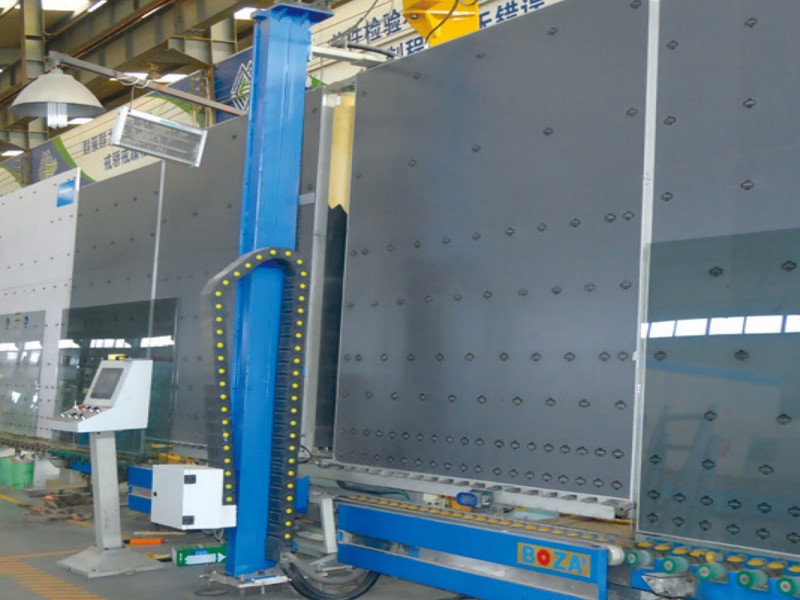
The manufacturing of insulated glass units (IGUs) involves a controlled sequence of processing steps designed to ensure structural stability, airtight sealing, and reliable insulation performance. In architectural glass production, the process combines precise glass preparation, spacer fabrication, controlled assembly, and sealing technology. Each stage contributes to the formation of a sealed cavity between glass panes that reduces heat transfer and maintains internal clarity over time. Modern insulated glass production lines typically integrate automated cutting, washing, assembly, and sealing equipment to improve consistency and reduce contamination during fabrication.
Manufacturing Stage | Key Purpose | Typical Equipment or Method |
Glass cutting and preparation | Shape raw glass panels to required project dimensions | Automatic cutting tables, edge grinding machines |
Cleaning and drying | Remove dust, oil, and particles before assembly | Glass washing machines with purified water |
Spacer fabrication and assembly | Create the structural gap between glass panes | Spacer bending equipment and desiccant filling |
Gas filling and sealing | Form a stable insulated cavity and protect the internal space | Gas filling systems and sealing applicators |
The process begins with preparing architectural glass sheets to the required dimensions specified for the insulated unit. Glass panels are first measured according to design requirements and then cut using precision cutting equipment. Automated cutting tables are often used in production facilities to improve accuracy and minimize material waste, particularly when producing large architectural glazing panels.
After cutting, the edges of the glass are processed to remove imperfections created during the cutting stage. Edge grinding or polishing eliminates micro-cracks that could weaken the glass or interfere with sealing materials. In cases where coated architectural glass is used, a narrow strip near the perimeter may be treated to ensure sealants can bond directly to the glass surface. Proper edge preparation helps improve both mechanical strength and long-term seal durability in insulated glass units.
Before assembly, the prepared glass sheets must be thoroughly cleaned to remove contaminants that could affect adhesion. Dust particles, oils from handling, and other residues can compromise the effectiveness of sealants and spacers if they remain on the glass surface.
Glass panels are typically passed through automated washing systems that use purified or deionized water along with specialized cleaning solutions. Rotating brushes and air-drying sections ensure that both sides of each pane are cleaned and dried before the next production stage. Maintaining a clean glass surface is essential because even small contaminants trapped inside the unit can cause visual defects or reduce long-term sealing reliability.
Once the glass sheets are prepared and cleaned, the spacer system is fabricated. Spacer bars are produced from materials such as aluminum or composite metals and are shaped to match the perimeter of the glass panel. These spacers define the distance between panes and therefore determine the thickness of the insulated cavity.
During spacer fabrication, the hollow interior of the spacer bar is filled with a desiccant, a moisture-absorbing material that helps maintain a dry internal environment inside the insulated unit. Small perforations along the spacer allow the desiccant to absorb residual moisture trapped within the cavity.
The spacer frame is then positioned along the edge of one glass pane. A second glass pane is placed on top, forming a layered structure in which the spacer separates the glazing surfaces. This stage establishes the basic structural configuration of the insulated glass unit.
After the panes and spacer frame are assembled, the internal cavity may be filled with insulating gas to improve thermal performance. Depending on the design requirements, the cavity can contain dry air or inert gases such as argon or krypton. These gases have lower thermal conductivity than ordinary air, which helps slow the transfer of heat through the glazing system.
To protect the internal cavity, sealants are applied around the perimeter of the glass unit. A primary sealant—often a butyl-based compound—is first applied to create an effective moisture barrier between the spacer and glass. A secondary structural sealant is then added around the outer edge of the unit. Materials such as silicone, polyurethane, or polysulfide are commonly used to reinforce the structure and maintain airtightness over long periods of use.
This combination of gas filling and dual sealing forms a stable insulated glazing unit capable of maintaining a controlled internal environment within architectural glass installations.
The performance of an insulated glass unit (IGU) depends not only on the production process but also on the materials and structural design selected during manufacturing. In architectural glazing systems, the choice of glass type, spacer configuration, and gas filling determines how effectively the unit controls heat transfer, light transmission, and moisture inside the cavity. Because building projects have different thermal, visual, and structural requirements, insulated glass manufacturing typically allows flexible combinations of materials and cavity configurations.
Different types of glass can be combined within an insulated unit to achieve specific optical or thermal characteristics. The most common base materials used in IGU production include Clear Float Glass, Ultra Clear Float Glass, and Tinted Glass. These materials differ primarily in transparency, color tone, and solar control capability, which allows designers to balance daylight transmission and interior comfort.
In addition to base glass types, coated architectural glass is frequently integrated into insulated glazing systems. One widely used option is Low-E (low-emissivity) glass, which is designed to reflect thermal radiation while still allowing visible light to pass through the window. Low-E coatings are typically applied in different configurations depending on performance requirements, including single-silver, double-silver, and triple-silver coating structures. These variations influence how effectively the glass manages heat gain and heat loss in buildings.
The following table illustrates how common glass materials are typically used in insulated glazing systems:
Glass Type | Typical Characteristics | Common Application in IGUs |
Clear Float Glass | Standard transparency and balanced light transmission | General architectural windows and façades |
Ultra Clear Float Glass | Higher clarity with reduced iron content | High-end façades and display areas requiring greater transparency |
Tinted Glass | Colored body that reduces glare and solar heat gain | Buildings exposed to strong sunlight |
Low-E Coated Glass | Reflects infrared heat while allowing visible light | Energy-efficient window and curtain wall systems |
The internal cavity between glass panes is defined by a spacer frame that maintains a consistent gap across the entire perimeter of the insulated glass unit. Spacer thickness directly determines the width of the cavity, which influences both thermal insulation and structural stability.
Common spacer thickness options used in IGU manufacturing include 6 mm, 9 mm, 12 mm, 15 mm, and 19 mm. Thicker cavities generally allow better insulation performance because they create a larger barrier for heat transfer between the indoor and outdoor environments. However, the final selection depends on window design, structural considerations, and glazing system compatibility.
Within the spacer-defined cavity, different gases may be used depending on insulation goals. The most frequently used options include:
● Air, which is commonly used in standard insulated glazing units
● Argon, a denser gas that improves thermal insulation compared with air
● Krypton, a high-performance gas often used when cavity thickness is limited but higher insulation performance is required
Maintaining consistent performance in insulated glass units (IGUs) requires careful quality control throughout the manufacturing process. Because insulated glazing relies on a sealed cavity to maintain insulation performance, even minor defects during assembly or sealing can affect long-term durability. Production facilities therefore implement inspection and testing procedures to verify sealing quality, gas retention, and visual clarity before the units are packaged and shipped. These checks help ensure that the insulated glass installed in architectural systems performs reliably in real building environments.
Inspection Category | Purpose | Typical Checks |
Seal integrity testing | Confirm the sealed cavity remains airtight | Seal adhesion tests, moisture resistance evaluation |
Gas retention verification | Ensure internal gas concentration remains stable | Gas leakage monitoring or cavity pressure checks |
Visual inspection | Identify manufacturing defects before delivery | Alignment accuracy, contamination detection |
Packaging and handling | Protect finished IGUs during transport | Protective films, spacer protection, secure crating |
The sealing system around the perimeter of an insulated glass unit plays a critical role in preserving the internal cavity. During production, manufacturers verify that the primary and secondary sealants bond correctly to both the glass surface and spacer frame. Testing procedures are used to confirm that the sealed edge can resist moisture penetration and prevent gas leakage over time.
Maintaining the stability of the gas-filled cavity is equally important. If the internal gas escapes or external air enters the unit, the insulating performance may gradually decline. Quality control processes therefore include monitoring for potential gas leakage and verifying that the cavity remains properly sealed after assembly.
In addition to sealing tests, insulated glass units undergo visual inspection to detect physical defects that could affect performance or appearance. Inspectors check whether the glass panes are aligned correctly, whether the spacer frame is positioned evenly along the perimeter, and whether any particles or residue remain trapped inside the cavity.
Once inspection is completed, finished IGUs must be packaged carefully to prevent damage during storage and transportation. Protective films may be applied to glass surfaces, and insulated units are often packed in reinforced crates or racks that minimize movement. Proper handling ensures the glass edges, seals, and spacer structures remain intact before installation in architectural glazing systems.
The production of insulated glass includes glass preparation, spacer assembly, gas filling, and sealing to form a stable insulated unit. Understanding how insulated glass is made helps professionals evaluate glazing performance in modern Architectural Glass systems. Qingdao NAF Glass Industries Co.,Ltd. provides insulated glass solutions designed to support reliable insulation, sound reduction, and long-term structural stability in building applications.
A: In Architectural Glass systems, insulated glass is produced by sealing multiple panes with a spacer to form a gas-filled cavity that improves thermal insulation and window performance.
A: Insulated glass cavities may contain air, argon, or krypton to reduce heat transfer in Architectural Glass window assemblies.
A: The durability of insulated glass depends mainly on spacer quality, sealing materials, and manufacturing precision in Architectural Glass production.


