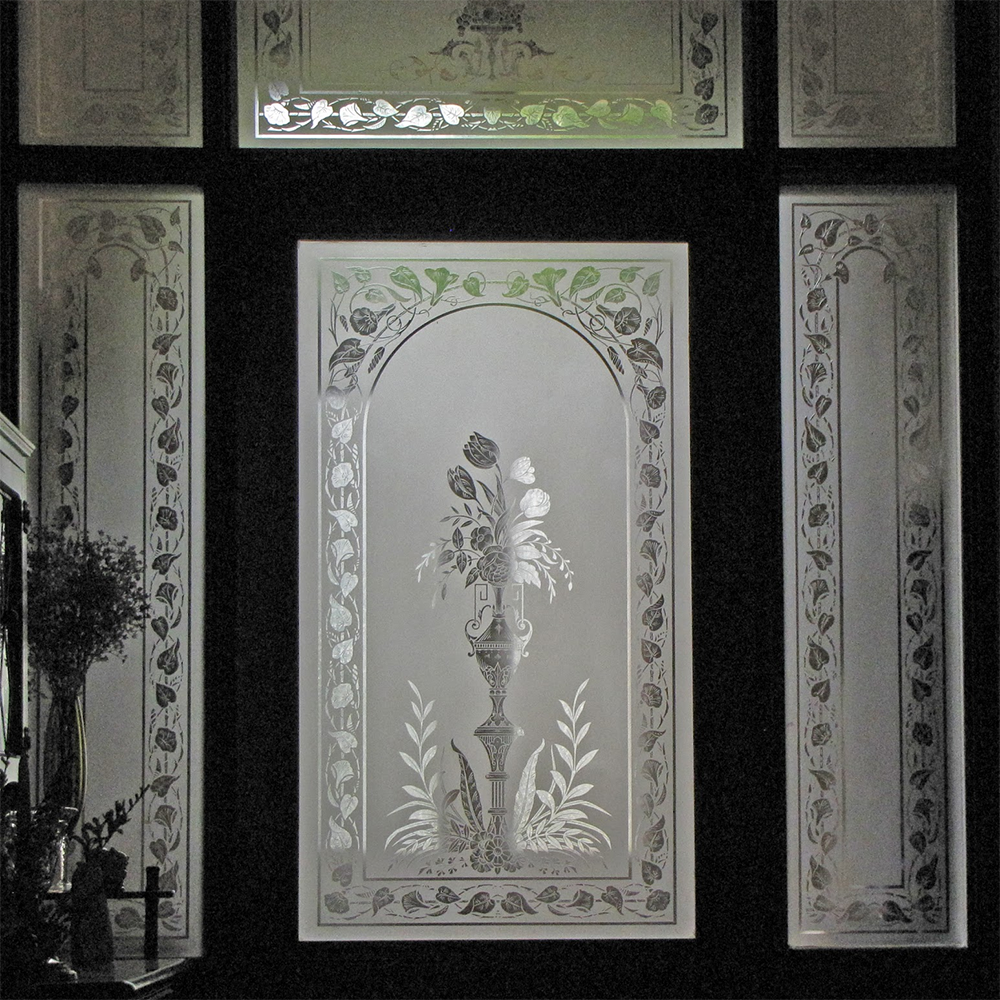
The porous, light-diffusing surface of acid etched glass inherently traps oils, dust, and airborne residues much more easily than standard flat glass. This beautiful matte finish provides incredible privacy and visual appeal, but it introduces distinct operational challenges across commercial environments.
Incorrect cleaning protocols frequently cause irreversible chemical damage or severe surface scratching across architectural installations. Commercial maintenance teams often mistake these permanent chemical burns or physical abrasions for ordinary, stubborn stains. Aggressively scrubbing these vulnerable spots with the wrong solvents only accelerates the degradation of the premium frosted finish.
We designed this guide to provide a clear, evidence-based, commercial-grade maintenance framework for facility managers and installers. You will discover exactly how to diagnose, clean, and restore these delicate surfaces safely and effectively. By following our step-by-step guidelines, you can maintain pristine glass features without compromising their long-term aesthetic integrity.
Key Takeaways
Identify before acting: Differentiate between surface contaminants (cleanable) and secondary chemical etching/damage (irreversible) prior to applying any solvents.
Tool selection is critical: Always use lint-free microfiber cloths and non-abrasive, ammonia-free solutions to protect the micro-porous surface.
Process over product: Gentle, uniform application and complete drying are more effective than aggressive scrubbing.
Quality dictates maintenance: High-grade materials from a reputable glass manufacturer feature a more consistent finish, significantly reducing long-term maintenance costs.
Why Acid Etched Glass Demands a Specialized Protocol
Understanding the physical properties of frosted glass is the first step toward proper maintenance. During the manufacturing process, hydrofluoric acid permanently alters the flat glass surface. It creates a vast, microscopic landscape of peaks and valleys. This complex topography produces premium Decorative Glass. However, these tiny crevices readily trap ambient airborne contaminants, oils, and moisture.
Standard glass features a perfectly flat, non-porous barrier. You can scrape standard glass with razor blades or clean it using harsh industrial chemicals without consequence. Etched glass demands a completely different approach. It requires strict solvent neutrality. If you apply acidic or highly alkaline chemicals, you risk degrading the frosted finish. Mechanical scraping easily shears off the microscopic peaks, creating permanent, glossy bald spots.
Facility managers face significant business risks when they allow standard janitorial practices on architectural etched glass. A cleaning crew might treat a frosted partition like a standard window. They use ammonia-based sprays and abrasive pads. Over time, this ruins the aesthetic consistency of the installation. The resulting cloudy patches or scratch marks look highly unprofessional. Ultimately, these careless maintenance routines lead to costly panel replacements.
Diagnosis: Is it a Surface Stain or Permanent Damage?
Before you apply any cleaning solution, you must identify the nature of the blemish. Treating physical damage as a simple stain often makes the underlying problem worse. We rely on a simple diagnostic framework to separate surface oils from structural issues.
We recommend using the "Water Test" framework. Spray a small amount of distilled water directly onto the affected area. Observe how the liquid reacts. If the blemish disrupts the water droplet or forces it to bead up, you likely have a surface oil or lipid. You can clean this safely. Conversely, if the water completely fills the scratch, making the mark temporarily disappear, you face structural damage. The glass has lost its original topography in that specific spot.
You must also learn to identify chemical burns, often referred to in the industry as "Acid Etch II" damage. This manifests as localized whitening, extreme cloudiness, or a chalky residue that refuses to wipe away. Highly alkaline cleaners usually cause this phenomenon. Improper post-installation cleanup can also trigger chemical burns if concrete dust or harsh construction sealants sit on the glass too long.
It helps to set realistic expectations for your maintenance teams. You can remove human oils, construction adhesives, and environmental dust easily. However, mechanical scratches or secondary chemical burns remain permanent. They require professional resin restoration or complete panel replacement.
Symptom
Diagnostic Result
Action Required
Water beads up; surface feels slightly sticky.
Surface Stain (Lipid/Oil)
Proceed with standard solvent cleaning.
Blemish disappears when wet, reappears when dry.
Mechanical Scratch
Halt cleaning. Consult restoration specialist.
Chalky, white, cloudy patch that feels rough.
Chemical Burn (Acid Etch II)
Cannot be washed away. Requires replacement.
The Standard Operating Procedure (SOP) for Routine Cleaning
Consistency protects your architectural investments. Implementing a strict Standard Operating Procedure ensures every janitorial shift treats the glass safely. Focus on acquiring the right tools before you refine the physical technique.
Required Materials & Solvents
The tools you choose matter just as much as the chemicals you apply. Using incorrect fabrics pushes dirt deeper into the micropores.
Lint-free microfiber cloths: You must avoid traditional paper towels entirely. Paper towels disintegrate when wet and leave highly visible lint trapped inside the glass pores.
Isopropyl alcohol (70%): This remains the gold standard for breaking down oils quickly. Alternatively, you can source specialized, ammonia-free commercial glass cleaners.
Distilled water: Tap water contains heavy minerals. When tap water dries on the etched surface, it leaves microscopic calcium deposits behind. Distilled water prevents hard water spots entirely.
Execution Steps
Proper technique relies on gentle mechanics. Follow this sequence to maintain the visual integrity of the frosted surface.
Step 1: Dry Dusting. Use a dry microfiber cloth to gently remove loose particulate matter. This crucial first step prevents you from grinding abrasive dust into the glass during the wet phase.
Step 2: Solvent Application. Never spray cleaning solutions directly onto the glass panel. Direct spraying causes uneven saturation and drip streaks. Instead, spray the cleaner onto your cloth to ensure even chemical distribution.
Step 3: Linear Wiping. Apply the cloth to the glass using broad, overlapping linear strokes. Move vertically, then horizontally. Avoid circular wiping motions. Circular scrubbing often creates visible swirl marks in the natural grain of the etch.
Step 4: Complete Drying. Use a secondary, completely dry microfiber cloth to buff the surface immediately after wiping. Moisture left sitting in the pores quickly creates visible water spots. Thorough drying guarantees a uniform, matte finish.
Tackling Heavy Contaminants: Oils, Fingerprints, and Construction Residue
Routine cleaning easily handles daily dust. However, commercial environments frequently expose glass to heavier, more stubborn contaminants. You need specific chemical strategies to break down these dense residues safely.
Human sebum and fingerprints represent the most common visual disruptions on frosted partitions. The oils from our skin soak directly into the microscopic valleys. We highly recommend isopropyl alcohol for this issue. It serves as an incredibly efficient, residue-free solvent. It breaks down human oils instantly without leaving a sticky film behind. Simply dab a microfiber cloth with alcohol and blot the fingerprint until it lifts.
Post-construction cleanup presents a much larger hazard. Contractors frequently leave construction adhesives, silicone overspray, or paint splatters on new installations. You must outline a strict, non-mechanical removal process to protect the surface.
Do: Use targeted citrus-based solvents or pure acetone. These chemicals safely break down heavy adhesives. Allow the solvent to sit for a few moments to soften the glue, then wipe it away. Follow this with a standard cleaning pass using your routine SOP.
Do Not: Never allow cleaning crews to use razor blades, steel wool, or abrasive scouring pads. Mechanical scraping permanently destroys the frosted texture.
Hard water stains and calcium deposits frequently plague exterior glass or bathroom partitions. These mineral buildups require a slightly acidic approach. Detail a mild acetic acid solution, blending a 50/50 mix of white vinegar and distilled water. Spray the mixture onto a cloth and apply it to the mineral scale. You must emphasize the need to neutralize and rinse the area thoroughly afterward with pure distilled water.
Maintenance Red Flags: Practices That Ruin the Finish
Sometimes, avoiding the wrong techniques proves more valuable than executing the right ones. Several standard cleaning practices actively destroy etched surfaces.
Ammonia and high-pH cleaners cause massive long-term damage. While these chemicals clean standard windows beautifully, they react poorly with etched topography. Over time, high alkalinity degrades any factory-applied protective coatings. This chemical assault alters the visual consistency of the etch, leaving the glass looking patchy and permanently dirty.
You must completely ban abrasive friction from your maintenance routines. Scouring pads, stiff bristle brushes, and especially melamine foam (commonly sold as magic erasers) ruin the glass. Melamine foam acts like micro-sandpaper. It forcefully shears off the delicate peaks of the acid-etched texture.
Inconsistent spot cleaning also presents a major visual risk. We frequently see janitorial staff aggressively scrub a single, isolated stain. Concentrated pressure on a small area effectively "polishes" the micro-texture. This friction flattens the topography, creating a permanent, glossy bald spot in the middle of a beautiful matte panel. Always clean the entire visual section uniformly to maintain a seamless appearance.
Procurement Considerations: How Sourcing Impacts Long-Term Maintenance
Many facility managers fail to realize that cleanability starts long before installation. The actual manufacturing quality dictates how easily a panel sheds dirt. Inferior etching processes leave uneven, jagged pores across the glass surface. These poorly formed textures are exponentially harder to maintain. They trap dirt aggressively and refuse to release oils during standard wiping routines.
When you evaluate a glass manufacturer, you must look for structural consistency. A premium partner utilizes tightly controlled acid wash environments. This control produces a smooth, uniform micropore structure. You should always verify their adherence to established ASTM standards regarding surface durability and chemical resistance.
Scale and supply chain dynamics also play a massive role in maintenance planning. For large commercial projects requiring whosale acid etched glass, preparation prevents disaster. We emphasize the importance of requesting the manufacturer's specific maintenance documentation prior to finalizing any purchase. You need to review these documents to ensure their recommended cleaning protocols align with your facility's current janitorial capabilities. If the required maintenance is too complex for your team, you risk widespread damage post-installation.
Conclusion
Maintaining acid etched glass relies on intelligent chemical matching and gentle mechanics, rather than aggressive physical force. You protect the delicate topography when you choose neutral solvents, soft microfiber cloths, and uniform wiping motions. Implementing these exact standards empowers your maintenance teams to work confidently.
Reiterating these standard cleaning protocols drastically extends the lifespan of your architectural installations. When you abandon harsh chemicals and abrasive pads, the premium matte finish retains its original beauty for decades. Proper care prevents costly replacements and ensures your commercial environment looks pristine.
We encourage architects, contractors, and facility managers to consult with our team directly. We can provide project-specific maintenance guidance tailored to your unique environment. Contact us today to request a quote for premium, easy-to-maintain wholesale glass products designed for commercial excellence.
FAQ
Q: Can I use Windex on acid etched glass?
A: No. Standard Windex contains ammonia. Ammonia causes severe chemical streaking and accelerates long-term finish degradation on porous surfaces. You should always use ammonia-free alternatives or simple isopropyl alcohol to protect the matte texture.
Q: Is acid etched glass harder to clean than sandblasted glass?
A: No, it is generally much easier to clean. Acid etching creates surface pores that are incredibly smooth and shallow. Sandblasting relies on violent physical impact, creating sharp, jagged abrasions that trap oils and dirt far more aggressively.
Q: Can you seal acid etched glass to prevent fingerprints?
A: Yes. You can apply certain commercial polymeric coatings designed specifically for porous glass. These sealants drastically reduce oil absorption and make routine cleaning easier. However, these surface treatments require periodic reapplication to remain effective.
Q: How do you fix a scratch on acid etched glass?
A: You cannot simply clean or wipe away true mechanical scratches. Physical damage alters the surface topography permanently. Fixing this requires specialized resin fills or professional surface blending techniques. Be aware that these repairs may slightly alter the localized opacity of the glass.