Lacquered glass is one of the most popular types of Decorative Glass in modern interior design. Its vibrant colors, reflective surfaces, and sleek appearance make it a preferred choice for homeowners, architects, and commercial designers alike. Unlike other types of glass that focus on transparency or light diffusion, lacquered glass is primarily a decorative material that combines durability, aesthetics, and practicality. It is commonly used in kitchens, bathrooms, furniture panels, office partitions, and hospitality interiors to enhance both style and functionality.
While many people are familiar with Acid-Etched Glass for privacy and light diffusion, lacquered glass serves a different purpose. It provides bold colors, smooth surfaces, and long-lasting finishes that can withstand daily wear and tear. This article explores what lacquered glass is, how it is manufactured, its benefits, applications, design tips, comparisons with other Decorative Glass, and why it has become a must-have material in contemporary interior projects.
What is Lacquered Glass?
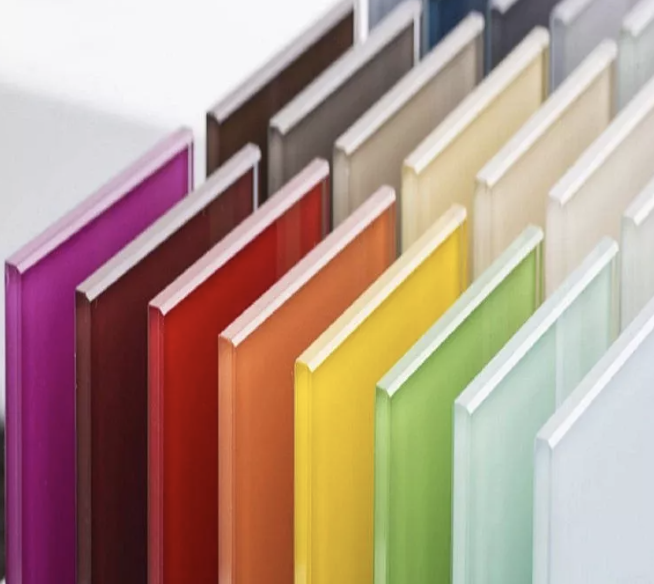
Lacquered glass is a type of Decorative Glass produced by applying a high-quality lacquer coating to the back surface of clear glass. Once cured, the lacquer forms a smooth, reflective, and durable layer that is permanently bonded to the glass. The lacquer layer can be glossy or matte, depending on the desired effect, and it is available in a wide range of colors.
Unlike adhesive films or sprayed coatings, lacquered glass maintains its finish over time, offering long-term durability and resistance to scratches, fading, and moisture. This makes it an ideal choice for areas that require both visual appeal and functional performance.
Key Characteristics of Lacquered Glass
Vibrant Colors: Available in a wide range of bright and uniform colors that do not fade over time.
Smooth Surface: The cured lacquer creates a perfectly flat, glossy, or matte finish.
Durable and Scratch-Resistant: Resistant to minor impacts, scratches, and daily wear.
Easy to Clean: The smooth surface prevents accumulation of dust, dirt, or grease.
Design Versatility: Can be combined with other Decorative Glass, such as Acid-Etched Glass or mirrors, for layered visual effects.
The combination of these properties makes lacquered glass a superior choice for both residential and commercial interior applications.
How Lacquered Glass is Made
The production of lacquered glass involves a precise process to ensure consistent quality and durability:
Glass Cleaning: Clear glass is meticulously cleaned to remove dust, oils, and any surface contaminants.
Primer Application: A primer may be applied to the back surface to improve adhesion of the lacquer.
Lacquer Coating: High-quality lacquer is evenly applied using spraying or automated coating techniques.
Curing: The coated glass is baked at controlled temperatures to fully cure the lacquer.
Inspection: The finished product is examined for color uniformity, surface smoothness, and any imperfections.
This method produces a high-quality Decorative Glass panel with vibrant color, excellent durability, and a smooth, reflective finish that lasts for years.
Advantages of Lacquered Glass
1. Visual Appeal
Lacquered glass provides a bold and contemporary look. Its reflective finish and vibrant color options make it ideal for creating focal points in interior spaces. Whether used on kitchen backsplashes, bathroom walls, furniture panels, or office partitions, lacquered glass immediately enhances the overall aesthetic.
2. Durability
Unlike films or sprayed coatings that may peel or fade over time, lacquered glass offers long-term durability. The lacquer is permanently bonded to the glass, providing a robust surface that can withstand scratches, impacts, and frequent cleaning. This makes it suitable for both high-traffic residential and commercial applications.
3. Easy Maintenance
Cleaning lacquered glass is straightforward. Its smooth surface prevents dust, grease, and fingerprints from accumulating, requiring only a soft cloth and mild detergent for daily maintenance. This is particularly advantageous in kitchens, bathrooms, and public areas where hygiene and appearance are critical.
4. Design Versatility
Lacquered glass can be used alone or in combination with other Decorative Glass types. Designers often pair lacquered glass with Acid-Etched Glass or mirrors to create layered, visually interesting effects. It can also be customized in virtually any color, making it adaptable to any design theme or interior palette.
5. Safety Options
For high-traffic or functional applications, lacquered glass can be tempered or laminated. Tempered lacquered glass is highly resistant to breaking, while laminated panels provide additional safety by holding together if cracked. This makes lacquered glass suitable for kitchen walls, bathroom partitions, office panels, and furniture surfaces.
Applications of Lacquered Glass
Residential Applications
Kitchen Backsplashes: Lacquered glass is heat-resistant and moisture-resistant, making it ideal for kitchens. Its vibrant colors can complement countertops and cabinetry.
Bathroom Walls and Partitions: Opaque panels create a clean, modern look while resisting moisture and stains.
Furniture Panels: Cabinet doors, tabletops, and decorative wall panels benefit from lacquered glass for a premium finish.
Commercial Applications
Office Partitions: Adds style and color to office interiors while creating visual separation.
Retail Displays: Used in display cases and shelving to draw attention to merchandise.
Hospitality Spaces: Hotels, restaurants, and bars use lacquered glass for reception areas, feature walls, and counter surfaces.
Other Applications
Decorative Wall Panels: Large lacquered glass panels serve as statement pieces in living rooms or commercial lobbies.
Layered Design Features: Lacquered glass can be combined with mirrors or clear panels for depth and visual impact.
Lacquered Glass vs Other Decorative Glass
| Feature | Lacquered Glass | Acid-Etched Glass | Frosted Glass |
| Primary Purpose | Color and visual appeal | Privacy and light diffusion | Privacy and soft light diffusion |
| Light Transmission | Opaque | Translucent | Semi-translucent |
| Surface Texture | Smooth and reflective | Matte and silky | Matte or textured |
| Durability | High | High | Medium |
| Maintenance | Easy | Easy | Moderate |
| Design Flexibility | High | Medium | Medium |
| Cost | Medium | Higher | Lower |
From this comparison, it is clear that lacquered glass is most suitable when visual impact, bold color, and surface smoothness are the primary objectives. Acid-Etched Glass and frosted glass serve more specialized purposes such as privacy and soft light diffusion.
Design Tips for Lacquered Glass
Combine with Acid-Etched Glass: Use opaque lacquered panels alongside etched glass to achieve both privacy and color contrast.
Feature Walls: Large lacquered panels can serve as a statement piece in living rooms, office lobbies, or retail environments.
Custom Colors: Select colors that match furniture, flooring, or lighting to create cohesive interiors.
Layered Designs: Combine lacquered glass with mirrors or clear glass for added depth.
Matte vs Gloss Finish: Choose high-gloss for a reflective, modern appearance or matte for subtle sophistication.
Environmental and Sustainability Considerations
Lacquered glass is a long-lasting material, reducing the need for frequent replacement.
Glass is recyclable, and high-quality lacquer coatings extend the life of each panel.
Using durable Decorative Glass solutions contributes to sustainable interior design practices.
Limitations of Lacquered Glass
Opaque Surface: Unlike acid-etched or frosted glass, lacquered glass does not allow light to pass through.
Heat Sensitivity: Excessive heat can damage the lacquer, so it should not be used directly near high-temperature sources without proper installation.
Installation Care: Panels must be handled carefully during transport and installation to avoid scratching or chipping the lacquer surface.
Conclusion
Lacquered glass is a premium Decorative Glass option that offers vibrant color, durability, and a sleek finish. Its versatility makes it suitable for residential kitchens and bathrooms, commercial offices, hospitality spaces, and decorative furniture panels. Unlike acid-etched glass or frosted glass, which focus on privacy and light diffusion, lacquered glass is designed to maximize aesthetic impact and color intensity.
With its long-lasting finish, easy maintenance, and design flexibility, lacquered glass is ideal for modern interior projects that demand both style and functionality. At NAF Glass, we provide high-quality lacquered and acid-etched Decorative Glass, helping designers, architects, and homeowners create interiors that are visually stunning, durable, and practical


