Is the glass you cook or drink from truly safe? Many people now question materials used in food containers and cookware. Borosilicate glass is widely used in laboratory tools and kitchenware because it resists heat and chemicals. In this article, you will learn about its safety, how it compares with other materials, and practical tips for everyday use.
Why Borosilicate Glass Is Considered a Safe Material
Chemical Stability and Non-Reactive Structure
Borosilicate glass is widely recognized for its chemical stability, which is one of the primary reasons it is used in both scientific and household environments. The material is mainly composed of silica (SiO₂) and boron trioxide (B₂O₃). This combination forms a dense and stable glass network that is less reactive than many other materials commonly used for containers or cookware. Because the molecular structure is tightly bonded, the glass maintains its integrity even when exposed to a wide range of substances.
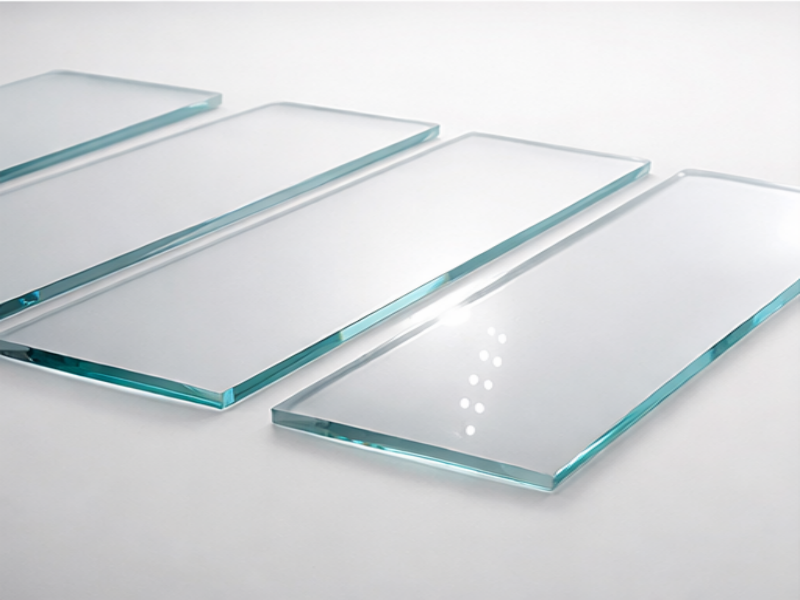
In practical applications, this stability means the material does not easily react with acidic foods such as tomato sauces or citrus liquids, nor does it degrade when exposed to mild alkaline substances or organic solvents. These characteristics explain why borosilicate glass is commonly selected for laboratory equipment and kitchenware where chemical neutrality is important. The glass remains structurally stable during heating, storage, and repeated washing, supporting consistent performance across many use conditions.
Property | Safety Relevance | Typical Application |
Low chemical reactivity | Prevents reactions with food or chemicals | Laboratory containers |
Corrosion resistance | Maintains material stability in acidic or alkaline environments | Chemical processing equipment |
Structural integrity | Supports long-term durability under repeated use | Cookware and storage containers |
Non-Toxic and Food-Contact Safety
Another important factor behind the safety profile of borosilicate glass is its non-toxic nature when properly manufactured. The material itself does not contain compounds that are typically associated with chemical migration in food-contact products. As a result, borosilicate glass containers are frequently used in environments where purity and chemical neutrality are required.
In laboratory settings, glassware must maintain stability when exposed to a variety of solutions and temperature conditions. The same properties that make borosilicate glass suitable for scientific equipment also make it practical for everyday kitchen use. Containers made from this material can be used for storing beverages, preparing food, or heating liquids without introducing unwanted substances into the contents.
Hygienic and Non-Porous Surface
The physical structure of borosilicate glass also contributes to its hygienic characteristics. Unlike porous materials, the surface of glass is smooth and impermeable. Because liquids and food particles cannot penetrate the surface, the material does not retain odors, stains, or residues after normal cleaning.
This non-porous quality provides several advantages for food preparation and storage:
● Odors from strong foods such as garlic or spices are less likely to remain after washing.
● Stains from colored ingredients, including sauces or juices, are easier to remove.
● Microorganisms have fewer microscopic spaces where they can accumulate.
These characteristics make borosilicate glass suitable for repeated use in kitchens and laboratories where cleanliness and contamination control are important considerations.
What Makes Borosilicate Glass Different From Regular Glass
The Role of Boron in Heat Resistance
The defining difference between borosilicate glass and conventional soda-lime glass lies in the presence of boron trioxide (B₂O₃) within the glass structure. During manufacturing, boron becomes integrated into the silica network, creating a more stable and tightly bonded molecular arrangement. This modification reduces the glass’s coefficient of thermal expansion, meaning the material expands and contracts far less when exposed to temperature changes.
In practical terms, a lower thermal expansion rate reduces internal stress within the glass when it is heated or cooled. When ordinary glass experiences rapid temperature variation, uneven expansion between the inner and outer layers can create stress points that eventually cause cracking. The boron-containing network in borosilicate glass minimizes this effect, allowing the material to maintain structural stability under conditions that would typically damage standard glass.
Thermal Shock Resistance
Thermal shock resistance refers to a material’s ability to tolerate sudden temperature changes without fracturing. Because borosilicate glass expands very slowly under heat, it can handle much larger temperature differences than typical soda-lime glass used in many everyday containers.
In kitchen and laboratory environments, this characteristic is especially important. Glassware may be exposed to rapid heating, cooling, or transitions between environments such as refrigeration and high-temperature equipment. Borosilicate glass is engineered to tolerate these conditions more effectively. Products manufactured by Qingdao NAF Glass Industries Co.,Ltd. are designed to withstand temperature differences of approximately 300 °C, supporting safe performance across a wide range of uses.
Chemical Durability Compared With Standard Glass
In addition to its thermal advantages, borosilicate glass also demonstrates higher chemical durability than standard soda-lime glass. The modified glass network created by boron and silica improves resistance to corrosion when the material comes into contact with chemicals or reactive substances. This property is one of the main reasons borosilicate glass is widely used in laboratory environments where containers must hold acidic, alkaline, or solvent-based solutions.
The difference becomes clearer when comparing typical material characteristics.
Property | Borosilicate Glass | Soda-Lime Glass |
Thermal expansion | Low expansion rate | Higher expansion rate |
Resistance to sudden temperature change | High | Moderate |
Chemical resistance | Strong resistance to acids and solvents | Lower chemical durability |
Typical applications | Laboratory glassware, cookware, industrial components | Bottles, windows, general containers |
Because of these properties, borosilicate glass is frequently chosen for laboratory vessels, heat-resistant cookware, and industrial systems where materials must remain stable in both chemically aggressive and high-temperature environments.
Borosilicate Glass vs Other Food-Contact Materials
Borosilicate Glass vs Plastic Containers
Plastic containers are widely used for food storage due to their low cost and lightweight structure. However, their performance can change when exposed to heat or repeated use. Many plastics soften at relatively low temperatures, and prolonged heating may alter their physical structure. This is why plastic containers often show visible deformation after repeated microwave use or dishwashing cycles.
Borosilicate glass behaves differently because its structure remains stable at much higher temperatures. The material does not soften or degrade under normal cooking or reheating conditions. In addition, glass surfaces are impermeable, meaning they do not trap food residues within microscopic pores.
Some practical differences between the two materials include:
● Plastic containers may retain odors from strong foods such as spices or sauces.
● Colored foods can permanently stain certain types of plastic.
● Borosilicate glass containers maintain their clarity and surface integrity after repeated cleaning.
These characteristics explain why borosilicate glass is frequently used for food preparation, beverage storage, and heat-resistant kitchenware.
Borosilicate Glass vs Soda-Lime Glass
Soda-lime glass is the most common form of glass used in everyday products such as beverage bottles and window panels. While it performs well in general applications, its internal structure responds differently to temperature changes compared with borosilicate glass.
Borosilicate glass has a significantly lower coefficient of thermal expansion. In simple terms, this means the material expands less when heated and contracts less when cooled. Because of this property, borosilicate glass tolerates sudden temperature changes more effectively. For example, transferring a container from refrigeration to a heated environment places less stress on borosilicate glass than on soda-lime glass.
This difference is one reason why borosilicate glass is commonly selected for laboratory equipment and oven-safe cookware, where exposure to heat and cooling cycles is frequent.
Comparison With Ceramic and Stainless Steel
Ceramic and stainless steel are also common materials used for cookware and food-contact products. Each material offers different functional characteristics, and the appropriate choice often depends on the intended application.
Ceramic containers are valued for their ability to retain heat and their resistance to chemical reactions with food. Stainless steel, on the other hand, is widely used for cookware because of its strength and durability. However, both materials differ from borosilicate glass in several key aspects related to transparency, temperature response, and chemical stability.
Material | Key Characteristics | Common Uses |
Borosilicate glass | Low thermal expansion, chemically stable, transparent | Cookware, laboratory glassware, food storage |
Plastic | Lightweight, flexible, sensitive to heat | Food containers, packaging |
Soda-lime glass | General-purpose glass with moderate heat resistance | Bottles, jars, window glass |
Ceramic | Heat-retaining, chemically stable surface | Baking dishes, mugs |
Stainless steel | Strong, impact-resistant metal | Cookware, kitchen tools |
Material selection therefore often depends on temperature exposure, durability requirements, and the need for chemical neutrality during food preparation or storage.
Safe Use and Maintenance of Borosilicate Glass
Preventing Breakage and Thermal Shock
Although borosilicate glass is designed to tolerate temperature changes better than ordinary glass, correct handling still plays an important role in maintaining its structural integrity. Rapid temperature shifts can create uneven stress within the glass, especially when different parts of the material heat or cool at different speeds. For example, placing a hot container directly onto a cold countertop or introducing boiling liquid into a chilled vessel may increase the likelihood of stress fractures.
In everyday use, gradual temperature transitions help minimize these risks. Allowing refrigerated containers to sit briefly at room temperature before heating and avoiding direct exposure to sudden cold surfaces can help preserve the material’s durability. Physical impact is another factor to consider. Even heat-resistant glass can break if dropped or struck against hard objects, so careful handling during cooking, transport, or cleaning is recommended.
Customization and Processing
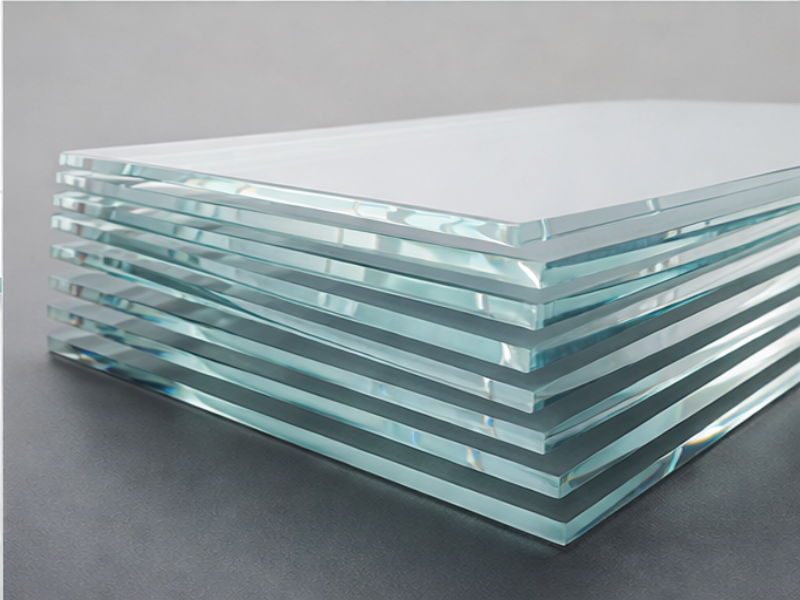
Borosilicate glass is valued not only for its stability but also for its adaptability in manufacturing. Because of its hardness and thermal properties, processing requires specialized equipment and technical expertise. With appropriate tools, the material can be shaped into a wide range of products suited to laboratory, industrial, or kitchen applications.
Typical processing methods include:
● Precision cutting for panels or laboratory components
● Drilling for fittings or assembly structures
● Edge grinding and polishing to improve surface finish
● Shaping into customized forms for specific equipment or containers
Manufacturers such as Qingdao NAF Glass Industries Co.,Ltd. offer customization services that allow borosilicate glass products to be produced in different dimensions, thicknesses, and structural configurations. This flexibility makes the material suitable for applications ranging from laboratory vessels to industrial viewing panels.
Proper Cleaning and Storage
Regular cleaning and careful storage help maintain both the appearance and longevity of borosilicate glass products. Because the surface of glass is smooth and non-porous, residues from food or liquids can usually be removed with mild detergents and warm water. However, abrasive cleaning tools may gradually scratch the surface, which can weaken the glass over time.
Maintenance Aspect | Recommended Practice | Purpose |
Cleaning tools | Use soft sponges or cloths | Prevent surface scratches |
Washing method | Mild detergent with warm water | Remove residues without damaging glass |
Storage method | Separate items or use protective liners | Reduce contact damage |
Handling | Support containers with both hands | Minimize accidental drops |
Careful placement in cabinets or storage racks also helps prevent chips along edges or rims. Maintaining stable storage conditions and avoiding stacking heavy objects directly on glass containers can reduce structural stress during long-term use.
Conclusion
Borosilicate glass is widely considered a safe and stable material for kitchenware, laboratories, and industrial use. Its chemical stability, heat resistance, and non-porous surface support reliable everyday performance. Products from Qingdao NAF Glass Industries Co.,Ltd. offer durable borosilicate glass solutions that help users store, heat, and handle materials safely.
FAQ
Q: Is borosilicate glass safe for food and beverage use?
A: Yes. Properly manufactured borosilicate glass is chemically stable and does not release substances during normal food contact.
Q: Why is borosilicate glass used in laboratory equipment?
A: Borosilicate glass resists chemical corrosion and thermal shock, making it suitable for experiments involving heat or reactive substances.
Q: How does borosilicate glass compare with regular glass?
A: Borosilicate glass has a lower thermal expansion coefficient, allowing better resistance to sudden temperature changes.
Q: Can borosilicate glass break under rapid temperature changes?
A: Borosilicate glass tolerates significant thermal differences, but extreme temperature shocks or physical impacts can still cause breakage.


